
 +91-9784559999
 info@thournatureresorts.com
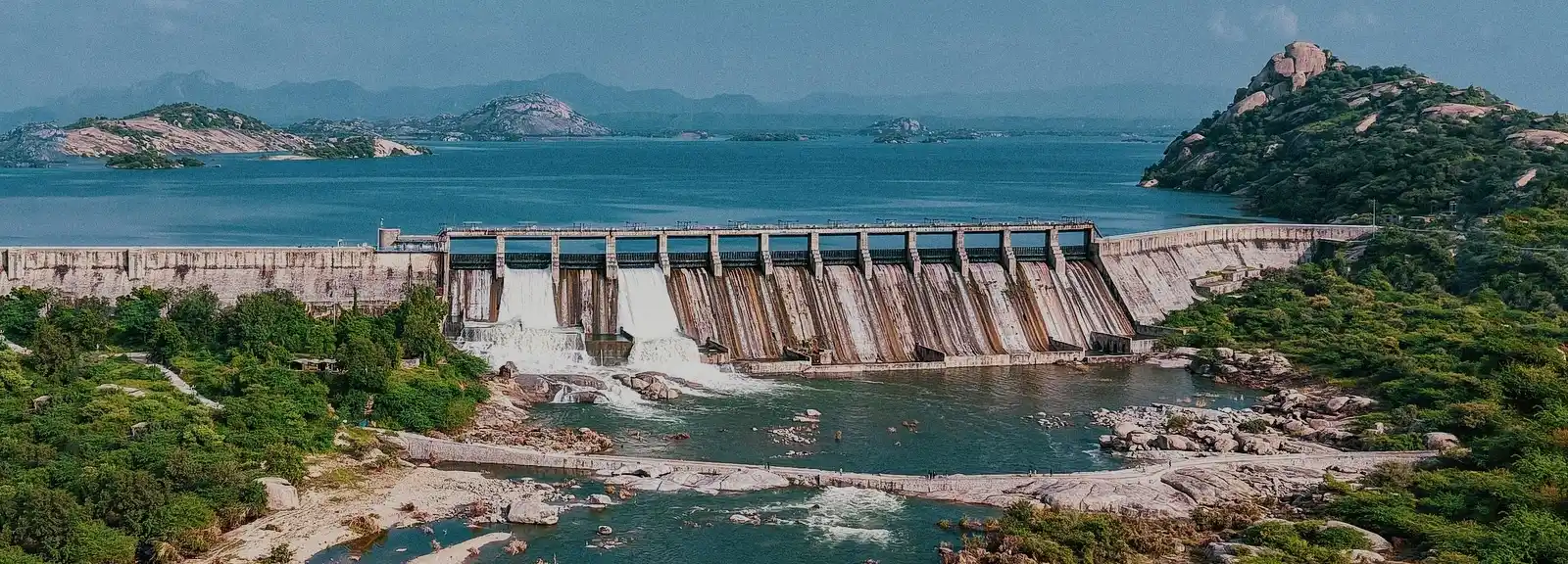
Jawai: Kingdom of Untamed
Jawai, a place where the skyline ends, wilderness speaks, and the adventure begins. It is a small village in the lap of nature, located in Pali district of Rajasthan. It is India’s leopard capital, situated on the bank of Jawai River, a prominent west-flowing river in the Aravali Range.
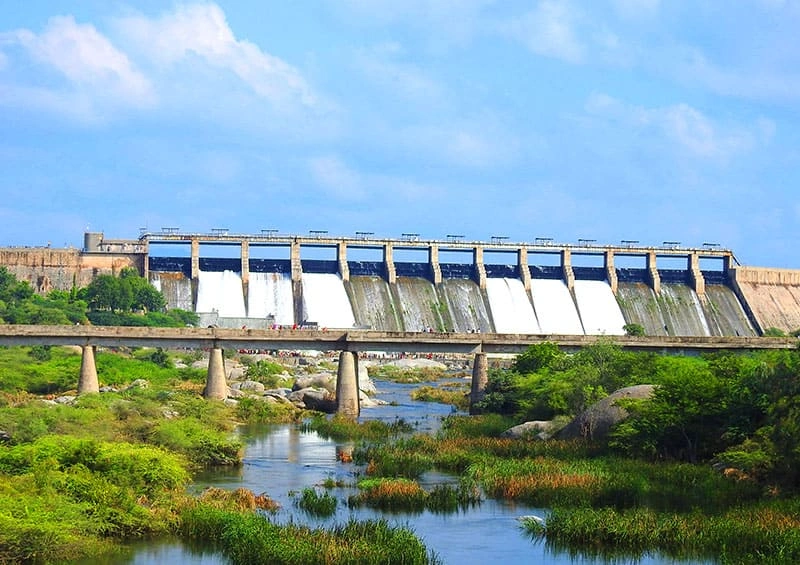
Jawai is a rare landscape where wild and ancient meet. A legion of leopards, peaceful rivers, ancient granite hills, Jawai Bandh, and local Rebari Culture make this place fascinating. Jawai Bandh is a dam that was built under the supervision of Maharaja Umaid Singh of Jodhpur between 1946 and 1957.
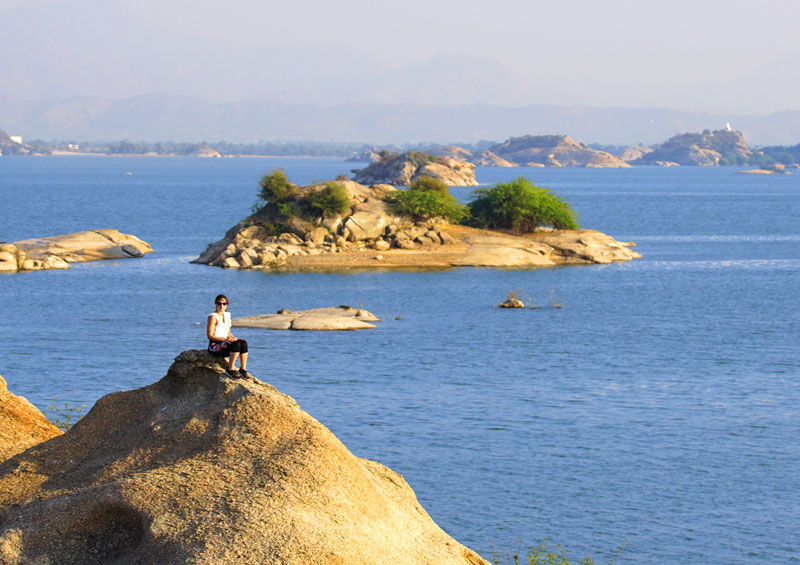
This timeless heart of Rajasthan is home for leopards, various species of birds, sloth bears, hyenas, crocodiles, etc. It is also a perfect location for nature and wildlife photography, spiritual retreats, and offbeat exploration.
Things to do in Jawai Bandh, Rajasthan
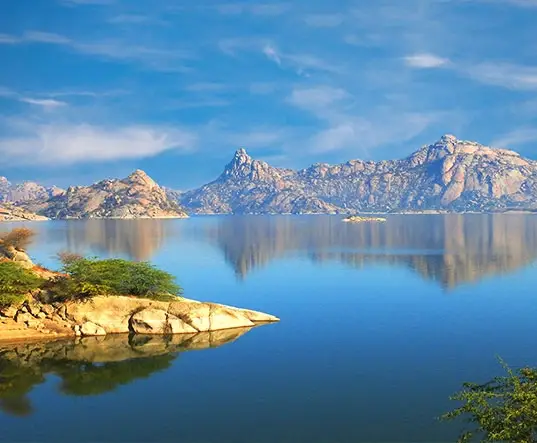
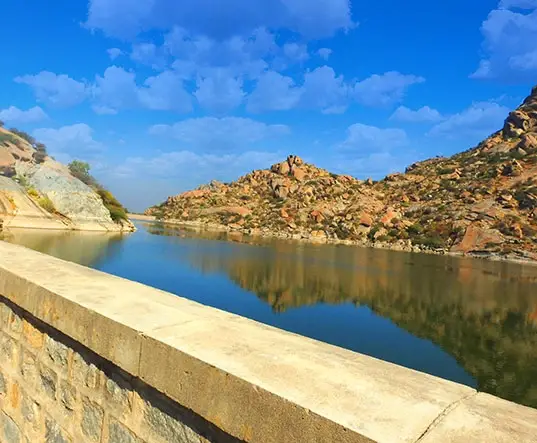
Explore Jawai Bandh
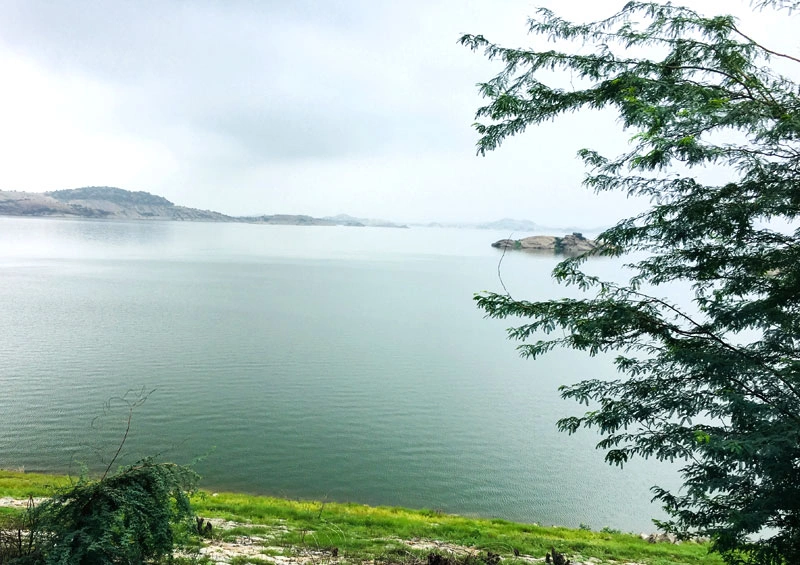
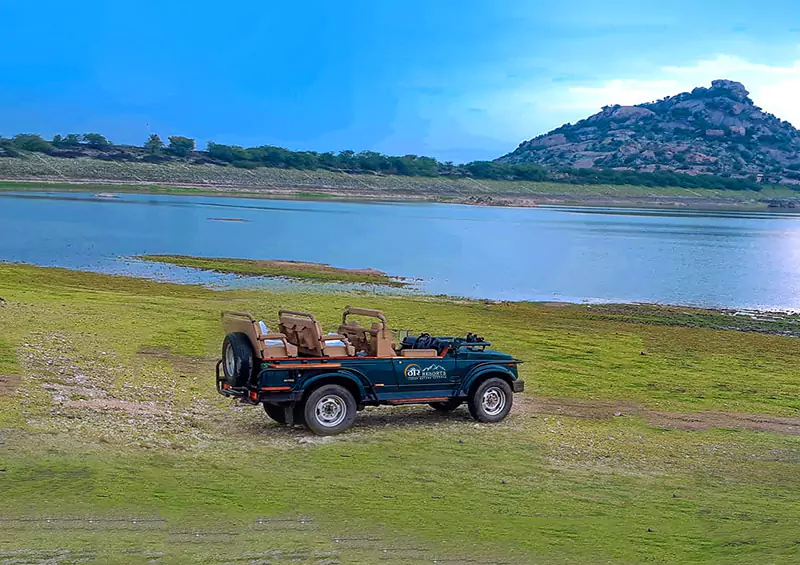
Jawai Bandh was built across the river, and its construction was completed in 1957. Surprisingly, it is the biggest dam in Western Rajasthan that covers a cultivable command area of 102,315 acres, acting as a vital water source. That’s the reason, it is a perfect site to watch magnificent views of the river and a unique wildlife around it. The entire atmosphere is suitable for crocodile spotting, bird watching, and so on. Interestingly, there are some vantage points from where you can watch the entire village to the fullest.
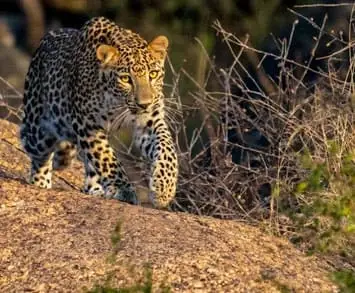
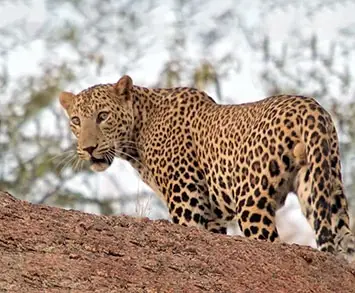
Spot Jawai Leopards
Leopards are the biggest attraction in the area. And the most interesting fact is that they live with locals without having a single incident of leopard attack in the village. This is a very unique coexistence of locals and leopards, which is particularly seen in Jawai. Represents a very rare and harmonious relationship between humans and Jawai leopards. And there are very rare places like Jawai, where you will witness a huge population of leopards in Rajasthan, often referred to as the leopard capital of India.
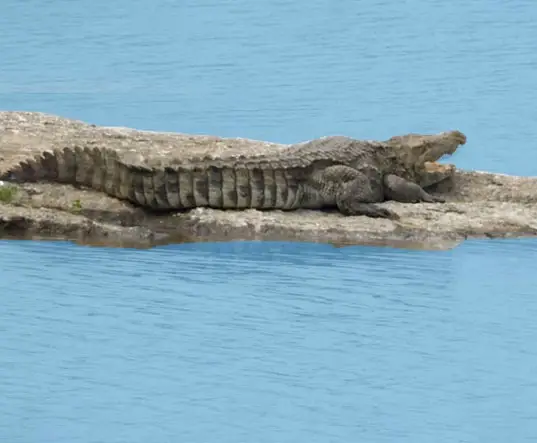
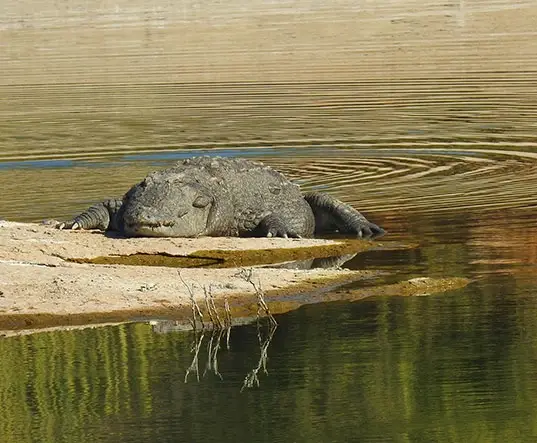
Crocodile Spotting
It is an ideal place for crocodile spotting in Jawai, as the confluence of the river and thousands of birds creates a perfect environment for them. Also, crocodile spotting is one of the best things to do in Jawai Bera Rajasthan. Usually, crocodiles are often seen basking and hunting on the banks of the river. Tourists can easily spot them from the dam as they have become one of the attractions. Watch these creatures basking in their natural habitat, usually resting at the shore of the river. Moreover, the presence of crocodiles adds richness to the biodiversity of Jawai.
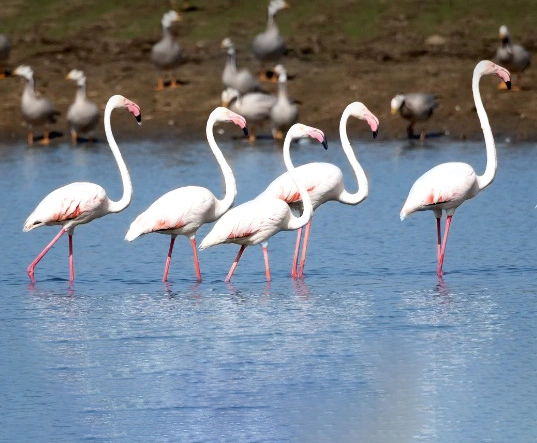
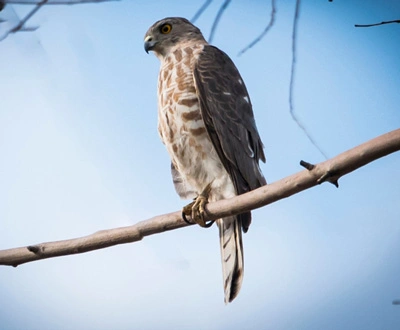
Jawai Bandh Bird Watching
Bird watching is one of the top things to do in Jawai. The area is home to over 100 to 150+ species of resident and migratory birds. All thanks to the weather of Jawai Bandh, seasonal wetlands, granite hills and open grasslands. Visit early mornings and late afternoons during the winter months, from November to February, to see rare species of birds at Jawai Dam. Furthermore, you will spot endangered and unique species of migratory birds like the Indian Eagle Owl, the Egyptian Vulture and the Painted Stork. Add a soulful experience to the itinerary in the heart of Rajasthan’s wild side.
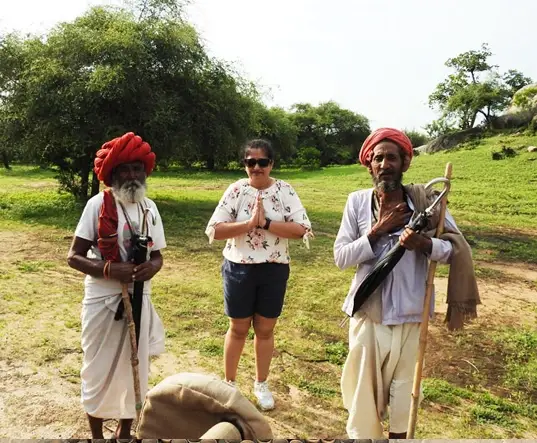
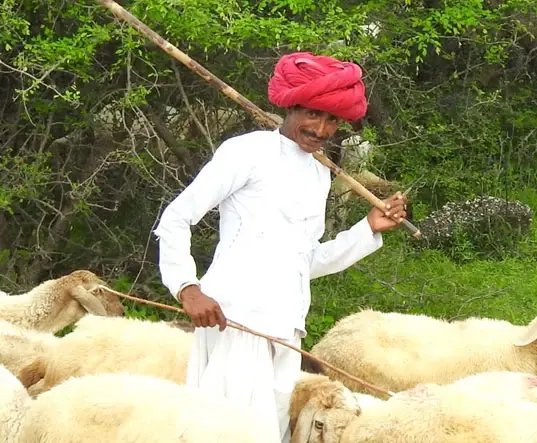
Rabari Tribal Interaction
Experience soulful cultural interaction with the Rabari community. However, they are known for their unique traditions, silver jewellery, red turbans and a respect for nature. These people are the perfect example, showcasing a unique coexistence with leopards. Get a walk-through the Rabari tribe Jawai to give you an intimate look into traditional life. Well, it is not just cultural tourism; it is a unique journey that tells you a story of authentic Rajasthan.
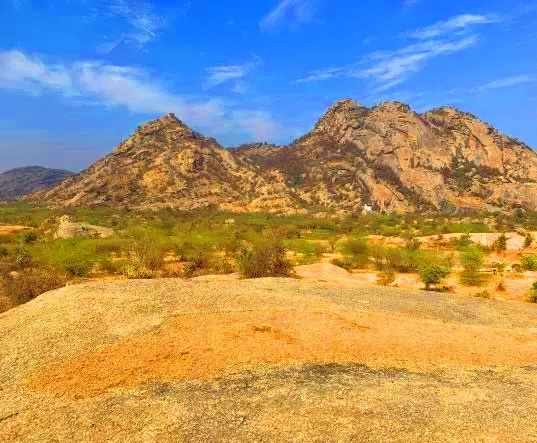
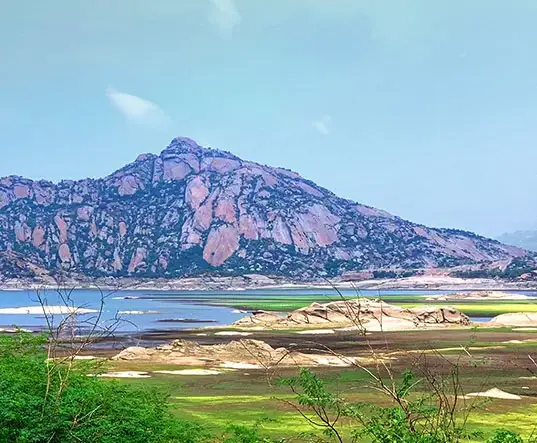
Unique Granite Jawai Hills
Jawai’s granite hills form a dramatic and rugged backbone that creates a unique backdrop. Formed over millions of years ago, creating a surreal moon-like setting. Also, there is a small temple perched atop, which is often visited by leopards. Trekkers and photographers will find endless opportunities in the textures of Jawai’s rocky terrain. Explore these hills with a local guided tour to get an insightful cultural and spiritual significance. Bring a camera as it is one of the best wildlife photography spots in India, offering unparalleled views to capture. Also, don’t forget to enjoy high tea on Jawai hills as it is something unmissable.
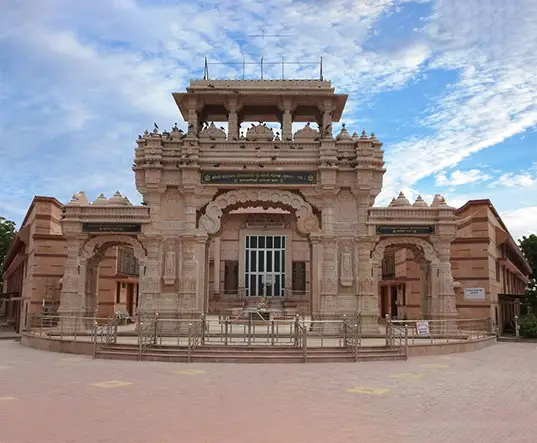
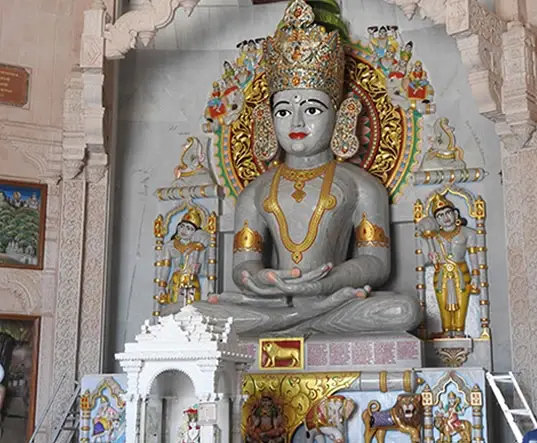
Shree Abhinav Mahavir Dham
Get the chance to visit Shree Abhinav Mahavir Dham, which is located in Sumerpur, Pali District, Rajasthan. There is a 351-inch-tall statue of Lord Mahavir Swami in Padmasan. The temple also gives you the chance to see the bird’s-eye scenic views. Apart from devotees, this Jain temple in Pali, Rajasthan, is a must-visit destination, which will give you a unique spiritual experience. Whether you are a devotee, spiritual seeker, or anyone who is looking for tranquillity, peace and nature, don’t skip adding this temple to your itinerary.
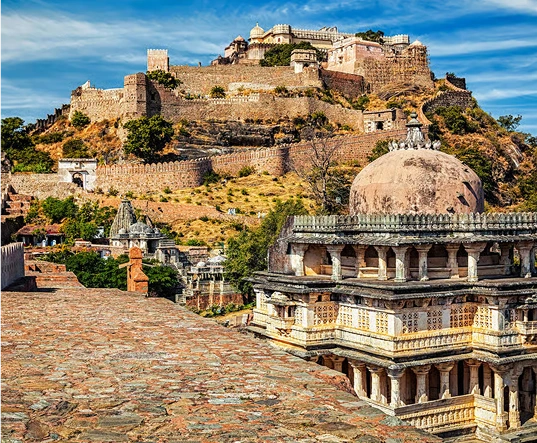
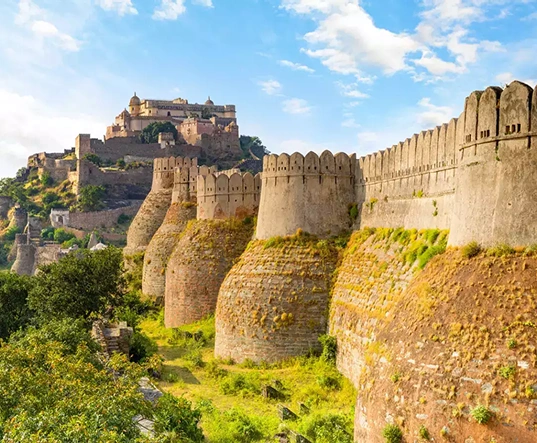
Ranakpur Kumbhalgarh Excursion
Add enrichment to your itinerary with a day excursion to the nearby Ranakpur and Kumbhalgarh. These are Rajasthan’s heritage destinations, located just 1.5 to 2 hours from Jawai by road, a scenic drive through the Aravalli hills. Additionally, Ranakpur is renowned for its stunning Jain Temple complex, where you will find one of the most beautiful carved marble temples in India. Don’t miss out on the Ranakpur Jawai Bandh festival and become a part of the interesting history, architecture or peaceful reflection of the region.
Visit Hill Temples
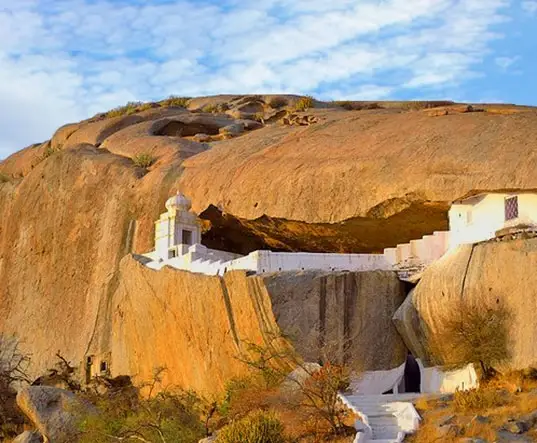
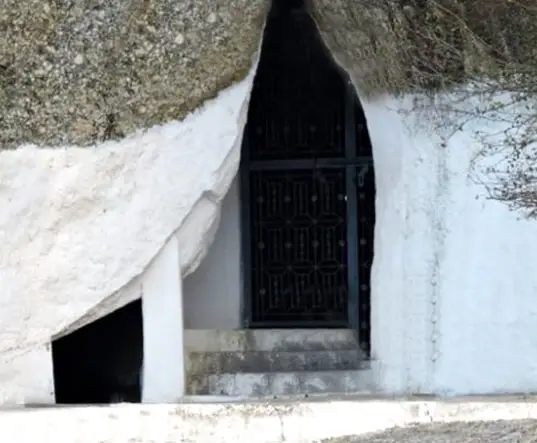
Visit Dev Giri Temple
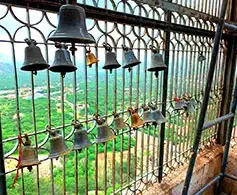
Along the halfway point at one of the surrounding hills, there is the Dev Giri temple located in a nearby area, which is dedicated to the goddess Ashapura Mata Ji. According to the locals, the goddess protects the village from natural calamities. Surprisingly, this temple is not only visited by humans but also by leopards. Furthermore, it is located in the middle of the rock, which gives you the best spiritual experience like never before.
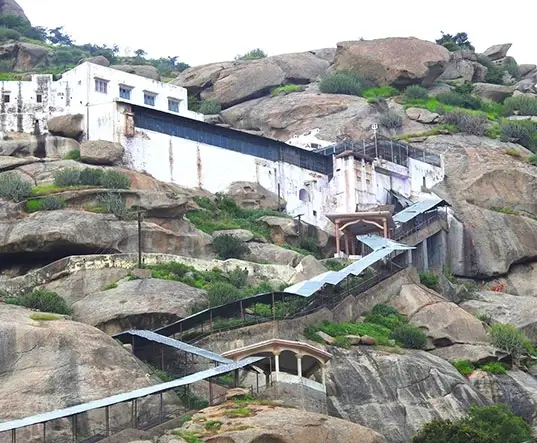
Kambeshwar Mahadev Temple
In the Sheoganj area of Sumerpur Tehsil, there is the Kambeshwar Mahadev Temple, only 11 kilometres from Jawai Bandh. It is truly a must-visit place where you will find next-level spiritual peace. It is an ancient temple dedicated to Lord Shiva, which is about 500 years old. The temple was established by the Bisnoi community, which truly combines nature and Lord Shiva’s blessings. Spend some time in peace and feel a strong connection with spirituality.
How To Reach Jawai, Rajasthan?
Are you also wondering how to reach Jawai? It is well-connected through all modes of transport. However, you can easily reach either by rail, air, or road, depending on your convenience. Also, cabs are readily available to take passengers from a point to Jawai. Furthermore, travellers also travel through trains which are available from various destinations such as Delhi, Mumbai, Ahmedabad, Udaipur and Jaipur.
The good connectivity of Jawai roads ensures easy arrival without any hassle through the primary cities of Rajasthan, from different places such as Sumerpur, Mount Abu, Udaipur and more. Similarly, find the nearest railway stations to get to the destination on time. So, these are the 3 ways through which you can easily reach Jawai.
Best Time To Visit Jawai
October to March is the best time to visit Jawai Bandh. It is the time when the weather in Rajasthan remains pleasant, making it ideal for leopard safaris and birdwatching. During these winter months, there are high chances of spotting rare species of wildlife, including birds and other animals.
Witness the rich wildlife species basking in the sun. The temperature ranges from 10°C to 25°C, and it is the peak season offers several opportunities. Throughout the winter period, there is good visibility of dry landscapes and the mesmerising scenic views.
Photography Tips
Interested in capturing unique photographs along the way to your journey to Jawai? Here are the photography tips for you:
- Landscape & Wildlife: Find the unique contrast of granite rocks, water and scenic backdrop to capture the best wildlife photography in Rajasthan pictures.
- Best Time: Wait for golden hour, either in the early morning or late evening, which offers you perfect golden light for silhouettes of the hills.
- Hidden Gems: Don’t just focus on the shooting leopards; also get the chance to capture unique landscapes and the rustic village surroundings.
- Cultural Portraits: Meet with the Rabari tribe Jawai, where you will get endless opportunities to capture candid portraits.
- Maintain Distance: Keep a safe distance and find the best landscape to capture a high-resolution picture. While on safari, waiting for the perfect moment and then capturing it is one of the best Jawai safari photography tips for travellers.
FAQ
Jawai Bandh was constructed in Rajasthan across the Jawai River. However, Maharaj Umaid Singh of Jodhpur built the dam to save the Pali district from heavy flooding. The dam was constructed for water irrigation and hydel power generation. Overall, the project was started in 1903 and finally completed in 1957. After that, Jawai Bandh became the biggest man-made dam in western Rajasthan.
Jawai is known as the "Leopard Capital of India" because the region has a very high density of Jawai leopards (estimated 60 to 70+), which hunt and reside among unique rocky hills and granite caves. Additionally, Jawai is the only region which promises 99.99% chances to spot leopards. That’s the reason, it is one of the best locations in India to see these big cats, also because of its wide, rough terrain and ideal human-wildlife co-existence with local inhabitants, unlike dense forest reserves.
October to March is the best time to visit Jawai. During this time, there are high chances to see leopards along with pleasant weather. However, the region offers 99.99% chances to spot big cats during these winter months since they are more active and often spotted basking in the sun on the rocky Jawai hills.
Yes, Jawai is one of the safest wildlife destinations in India, where it shows a unique human-leopard coexistence living peacefully for a very long time, resulting in no reported attacks on humans. However, the overall safety is ensured by trained and authorised guides during the leopard safari, making it an ideal spot for all types of travellers.
Top places to visit near Jawai are the temples like Devgiri and Kambeshwar Mahadev, and the nearby leopard-spotting hotspot Bera. Additionally, other attractions are a few hours' drive away, including the most famous Ranakpur Jain Temple and the Kumbhalgarh Fort. Also, visitors can visit the most scenic hill station of Mount Abu.
Jawai is primarily famous for its leopards, but other wildlife species can also be seen there. The regions also spot other animals such as crocodiles, sloth bears, striped hyenas, nilgai (blue bulls), wild boars and many more.