 +91-9784559999
 info@thournatureresorts.com
Most Indian wildlife destinations have a narrow sweet spot visit outside the cool months and the animals go quiet. Jawai sits in Pali district of Rajasthan, near Aravalli hills; don’t play by that rule. Between the granite hills that leave leopards with nowhere to hide and a resident population that doesn’t migrate with the seasons, you’ll find good sightings here across winter, summer, and monsoon alike. What changes isn’t whether you’ll see wildlife; it’s what you’ll need in your bag to be comfortable while you do, whichever season you’re visiting in.
Here’s a practical, season-aware packing list built around how a Jawai safari actually runs.
Optics & Photography
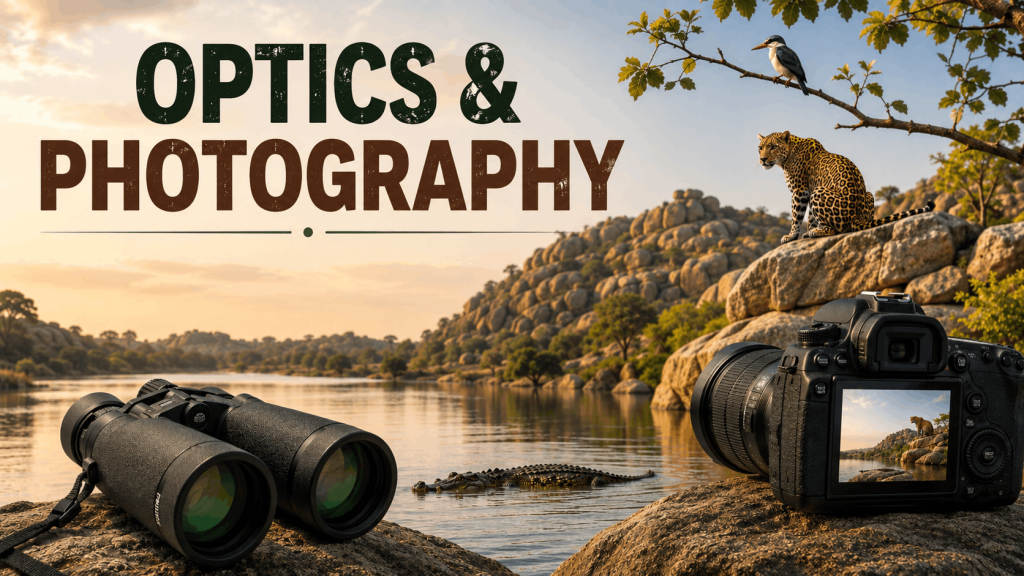
Binoculars earn their spot even though Jawai’s leopards are often visible at a closer range than you’d get in a forest reserve; the terrain is that open. You’ll still want them for anything perched on a distant boulder, for the mugger crocodiles basking along the dam’s shoreline (not an animal you want to approach for a closer look), and especially for birdwatching, since many migratory species sit in thick cover along the water’s edge rather than out in the open.
A zoom-capable camera — DSLR or a good phone camera, either works. Jawai’s open granite terrain and generally close sighting distances mean you don’t need heavy zoom gear to come home with strong shots, which is part of what makes these hills stand out for wildlife photography in the first place.
Clothing by Season
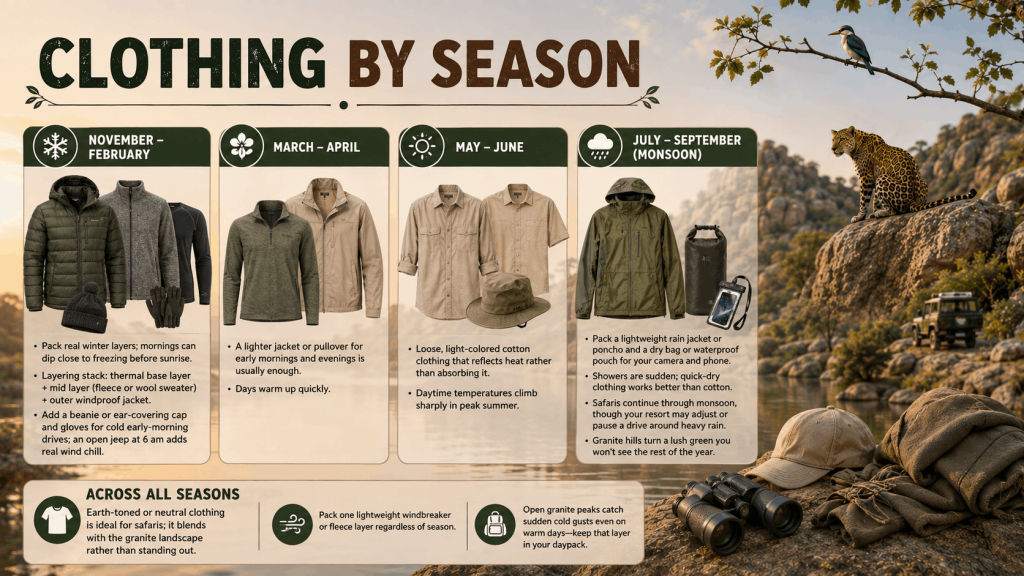
- November–February: Pack real winter layers, and layers deeper than you’d expect from a desert state; Jawai’s winter mornings can dip close to freezing before sunrise, even though the afternoons warm up fast. A practical layering stack: a thermal base layer against the skin, a mid layer (fleece or wool sweater), and an outer windproof jacket you can peel off as the safari warms up. Add a beanie or ear-covering cap and gloves for the coldest early-morning drives; an open jeep at 6 am adds real wind chill on top of the temperature itself.
- March–April: A lighter jacket or pullover for early mornings and evenings is usually enough; days warm up quickly.
- May–June: Loose, light-colored cotton clothing that reflects heat rather than absorbing it – daytime temperatures climb sharply in peak summer.
- July–September (monsoon): Pack a lightweight rain jacket or poncho and a dry bag or waterproof pouch for your camera and phone; showers here tend to be sudden rather than all-day. Quick-dry clothing works better than cotton, which stays damp in humidity. Safaris continue through monsoon, though your resort may adjust or pause a drive around heavy rain, and this is also when the granite hills turn a green you won’t see the rest of the year.
Across all seasons, earth-toned or neutral clothing is worth packing specifically for safaris; it blends with the granite landscape rather than standing out against it. It’s also worth packing one lightweight windbreaker or fleece layer regardless of season. The open granite peaks catch sudden cold gusts even on otherwise warm days, and it’s the kind of layer you’ll be glad to have folded in your daypack rather than left back at your tent.
Gear & Footwear
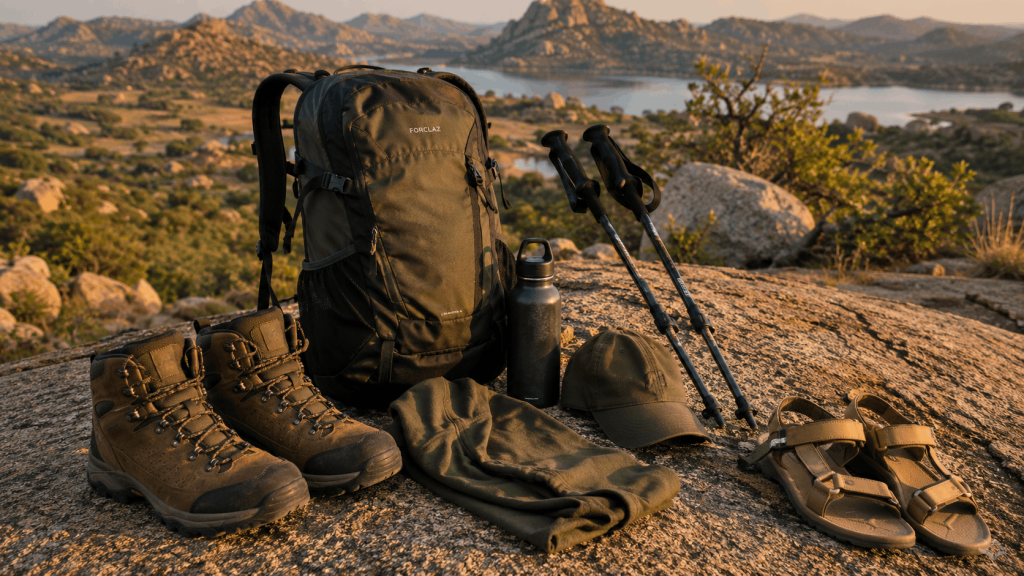
- Sturdy hiking shoes or boots with sticky rubber outsoles – the single most important item on this list if your stay includes any hill trekking. Jawai’s granite gets smooth and genuinely slippery underfoot, and standard sneaker treads don’t grip it well.
- A lightweight daypack to carry water, layers, and camera gear comfortably through a few hours on the trail.
- Hiking poles, if you’re planning steep descents, Jawai’s granite slopes are gradual in places but can be steep and uneven in others, and poles take real pressure off your knees.
- Sandals are fine around the resort but not a substitute for proper footwear once you’re out on the hills.
Hydration
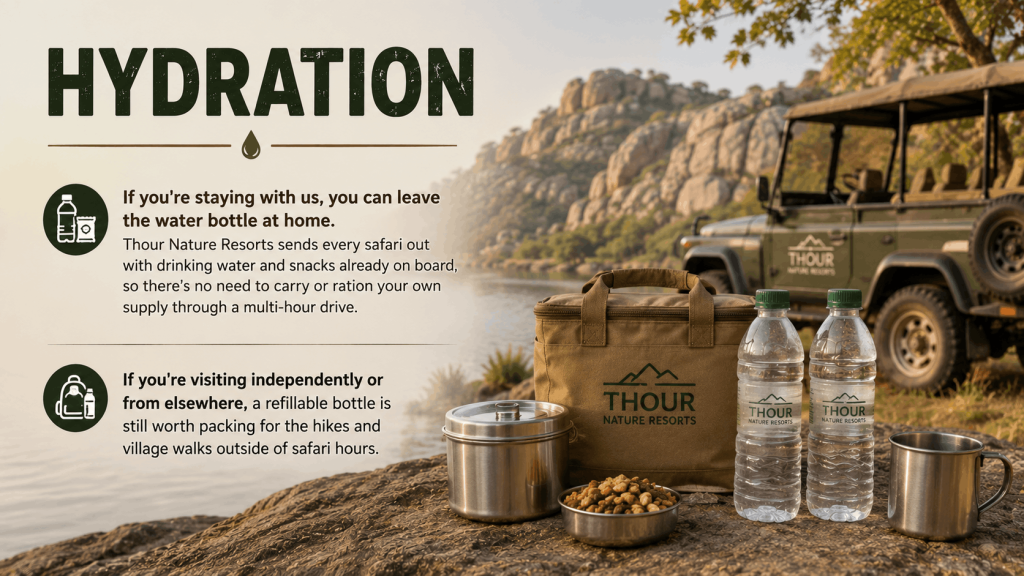
If you’re staying with us, you can leave the water bottle at home. Thour Nature Resorts Jawai sends every safari out with drinking water and snacks already on board, so there’s no need to carry or ration your own supply through a multi-hour drive. If you’re visiting independently or from elsewhere, a refillable bottle is still worth packing for the hikes and village walks outside of safari hours.
Sun & Glare Protection
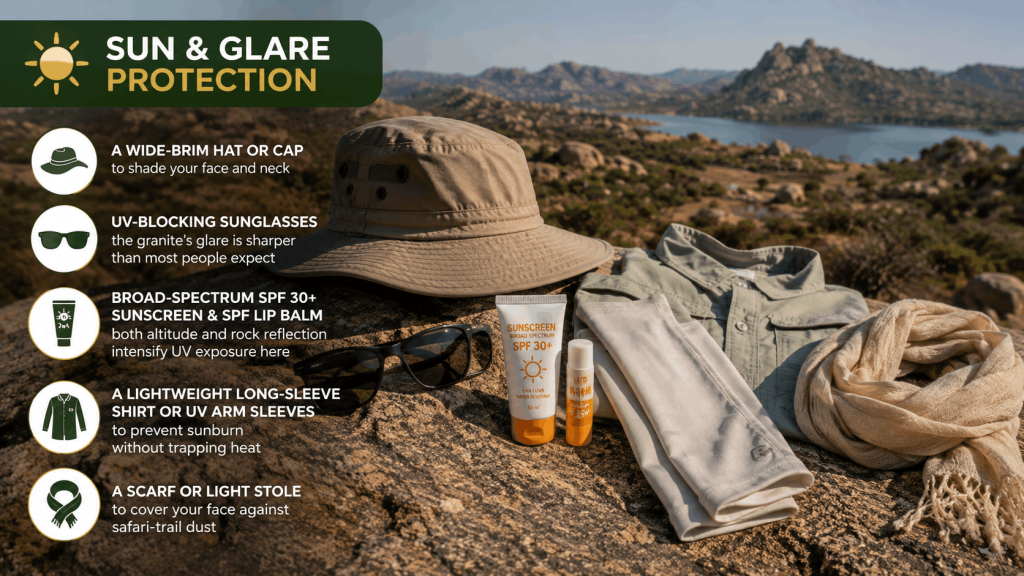
Jawai’s light-colored granite reflects sun and glare far more intensely than a typical forest safari, and the open terrain means there’s rarely tree cover to duck under. Pack for that directly:
- A wide-brim hat or cap to shade your face and neck
- UV-blocking sunglasses – the granite’s glare is sharper than most people expect
- Broad-spectrum SPF 30+ sunscreen and an SPF lip balm – both altitude and rock reflection intensify UV exposure here
- A lightweight long-sleeve shirt or UV arm sleeves to prevent sunburn without trapping heat
- A scarf or light stole to cover your face against safari-trail dust
Before You Pack
Quick Checklist
Everything you need for a comfortable, well-prepared Jawai trip — from safari mornings to cool desert nights.
Traveling With Kids
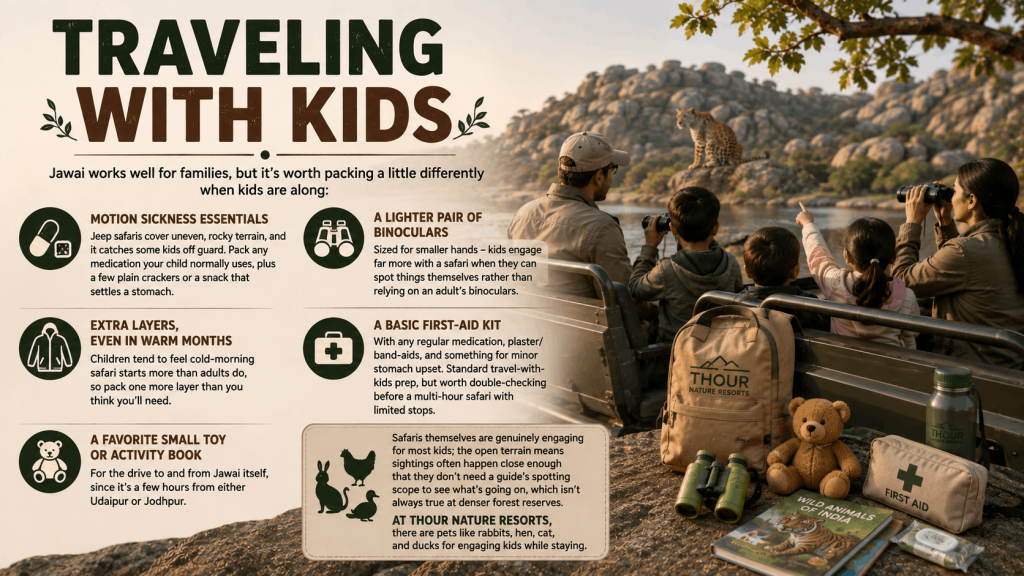
Jawai works well for families, but it’s worth packing a little differently when kids are along:
- Motion sickness essentials – jeep safaris cover uneven, rocky terrain, and it catches some kids off guard. Pack any medication your child normally uses, plus a few plain crackers or a snack that settles a stomach.
- A lighter pair of binoculars sized for smaller hands – kids engage far more with a safari when they can spot things themselves rather than relying on an adult’s binoculars.
- Extra layers, even in warm months – children tend to feel cold-morning safari starts more than adults do, so pack one more layer than you think you’ll need.
- A basic first-aid kit with any regular medication, plaster/band-aids, and something for minor stomach upset. standard travel-with-kids prep, but worth double-checking before a multi-hour safari with limited stops.
- A favorite small toy or activity book for the drive to and from Jawai itself, since it’s a few hours from either Udaipur or Jodhpur.
Safaris themselves are genuinely engaging for most kids; the open terrain means sightings often happen close enough that they don’t need a guide’s spotting scope to see what’s going on, which isn’t always true at denser forest reserves. At Thour Nature Resorts Jawai, there are pets like rabbits, hen, cat, and ducks for engaging kids while staying.
A Note on Village Visits
If your stay includes a visit to a nearby Rabari village, treat it as a visit to someone’s home rather than a photo stop; ask before photographing people, follow your guide’s lead on etiquette, and be open to accepting hospitality if it’s offered. It’s one of the more genuine parts of a Jawai trip, and it holds up best when approached with real respect for the community you’re visiting.
What Not to Pack
A few things that sound useful but tend to just take up space:
- Bright or white clothing – it stands out sharply against granite and dust, works against blending into the terrain, and shows dirt fast on a multi-day safari trip.
- Strong perfumes or scented products – wildlife safaris generally ask guests to skip these, since strong scents can affect animal behavior and are simply unnecessary given how close encounters here can get.
- Heavy, hard-sided luggage – most transfers involve a final unpaved stretch; a duffel or soft-sided bag is easier to handle than a large hard suitcase.
- A full-size tripod for safari drives – there’s no room or stability for one in a moving jeep; save it for fixed shots at the dam instead (see Field Setup notes if you’re also bringing serious camera gear).
- Excess electronics you won’t actually use – Jawai’s appeal is largely about being away from screens; pack camera gear with intention rather than every gadget “just in case.”
Where to Stay
Thour Nature Resorts Jawai sits close enough to the hills that most of this list matters from your first morning here, our team can also point you toward what to prioritize based on the season you’re visiting and whether you’re focused on leopards, birdlife, or both. Our Luxury Tents, Cottages, and Spacious Cottages all put you within easy reach of the granite hills that make Jawai worth packing for in the first place. Resort’s hill – top pool under open sky, makes you feel relaxed and refreshed after full day activities. And if a medical need comes up during your stay, our team can arrange an on-call doctor or nearby medical facility promptly, one less thing to worry about while you’re out on safari.
Planning your trip? Book your stay at Thour Nature Resorts jawai and we’ll help you plan a safari schedule around the season you’re visiting in.
Frequently Asked Questions
Do I need binoculars for a Jawai leopard safari?
Not strictly for leopards, since sightings often happen at closer range than in forested reserves but binoculars are genuinely useful for birdwatching and for viewing crocodiles safely from a distance.
What should I wear on a Jawai safari?
Neutral or earth-toned clothing that blends with the granite landscape, with layers appropriate to the season; heavy winter wear from November to February, and light, loose cotton in the May – June heat. And clothing according to sudden rain for July – September.
What time do Jawai safaris start?
Timings shift by season: winter safaris typically start around 6 am, while summer safaris start earlier, around 5 am, to avoid the midday heat. Confirm exact timings with your resort when booking.
Is Jawai a good destination year-round, or only in winter?
Unlike many Indian wildlife destinations, Jawai’s leopard population doesn’t migrate seasonally, and the open granite terrain keeps sightings strong across most of the year. Though winter remains the most comfortable season for birdwatching and general safari conditions.
Do I need to carry my own water and snacks on safari?
Not if you’re staying at Thour Nature Resorts Jawai; drinking water and snacks are provided on every safari, so you can leave the extra bottle at home and travel lighter.
Can I visit Jawai during the monsoon (July–September)?
Yes, safaris continue through monsoon, and the hills turn a green not seen the rest of the year. Pack a rain jacket or poncho, a dry bag for camera gear, and quick-dry rather than cotton clothing, since showers tend to be sudden rather than day-long.
Is Jawai suitable for a family safari with young kids?
Generally yes, the open terrain means sightings often happen close enough that kids don’t need a spotting scope to engage with what’s going on. Pack for motion sickness on the uneven jeep trails, an extra layer for cold mornings, and any regular medication in a basic first-aid kit.
What if a medical need comes up during my stay?
Thour Nature Resorts jawai can arrange an on-call doctor or nearby medical facility promptly if something comes up during your stay.