 +91-9784559999
 info@thournatureresorts.com
Quick Summary
- Best overall season: October to February, with cool weather, longer leopard activity windows and peak migratory birdlife at Jawai Dam.
- Sharpest months: December and January offer the best sightings and the best light for photography.
- Summer (Mar–Jun): Hot, but leopards on bare granite can be very visible in the earliest and latest hours, with fewer crowds.
- Monsoon (Jul–Sep): Green hills and a full dam; best for scenery, culture and slow travel rather than a leopard-focused trip.
- Morning vs evening: Mornings are cool and quiet, evenings bring golden light and more purposeful cat movement. Many guests do both.
- Where to stay: Thour Nature Resorts Jawai offers Luxury Tents close to the hills, with guides who adjust safari timings to the season.
In This Guide
01A Landscape Built for Leopards 02Jawai Seasons at a Glance 03Winter in Jawai (October to February) 04Summer in Jawai (March to June) 05Monsoon in Jawai (July to September) 06Best Season for a Jawai Leopard Safari 07Season Guide for Photography & Birdwatching 08What to Pack for Jawai 09Where to Stay in Jawai 10FAQs 11Practical Recommendation
If you’re the kind of traveller who’s already got Jawai bookmarked, chances are you’ve also got a question sitting unanswered in the back of your mind: when do I actually go? It’s a fair thing to get stuck on. Rajasthan’s desert heat has a reputation, and nobody wants to drive six hours only to spend their safari squinting through a heat shimmer with the leopards nowhere in sight. So before you block your calendar, it’s worth understanding what Jawai actually looks and feels like across the year because the honest answer is that this landscape changes more than most people expect, and timing your trip right changes everything about what you’ll see.
A Landscape Built for Leopards, Not Against Them
Here’s the detail that surprises most first-time visitors: Jawai isn’t forest. Its granite vast, weathered outcrops have been sitting here since long before the Aravalli range, one of the oldest mountain systems on the planet, took its current shape. There’s barely a tree line to speak of. And that’s precisely why leopards here are so visible compared to anywhere else in India, with no dense canopy to disappear into, they hole up in rock crevices and caves by day and move openly across the boulders at dawn and dusk.
The dam that gives the region its name has its own story worth knowing. Jawai Bandh was commissioned by Maharaja Umaid Singh of Jodhpur, with construction starting in 1946 and finally completing in 1957, an eleven-year build that turned a flood-prone stretch of the Jawai River into what’s now one of the largest dams in western Rajasthan. It’s still the region’s water lifeline for Jodhpur and Pali district today.
And then there’s the coexistence itself, which is the real reason people travel here. The Rabari, a semi-nomadic pastoral community who’ve herded goats, sheep and camels across this land for generations regard the leopard as sacred, tied to their devotion to Shiva. Livestock loss does happen, but it’s absorbed rather than avenged, a tolerance rooted in belief rather than indifference. Worth saying plainly too: Jawai has no official national park or sanctuary status. There are no fences here, no gates, no guaranteed sightings, just an unusually high density of wild leopards living in the open, alongside people who’ve chosen, for generations, not to fear them.
Jawai Seasons at a Glance

| Winter (Oct–Feb) | Summer (Mar–Jun) | Monsoon (Jul–Sep) | |
|---|---|---|---|
| Weather | Cool, crisp, comfortable | Hot, climbing past 30°C | Warm, humid, intermittent rain, pleasant evenings |
| Leopard visibility | High, longer active windows | High on open rock, shorter windows | Moderate, less predictable |
| Safari timing | Standard dawn/dusk drives | Shifted earlier and later | Fluctuate according weather conditions |
| Birdlife | Peak migratory flocks | Minimal | Resident species only |
| Landscape | Dry granite, golden light | Bare, sun-baked rock | Green hills, full dam |
| Crowds | Highest | Lower | Moderate |
| Best for | Safaris, birding, photography | Fewer crowds, dramatic rock scenes | Scenery, culture, slow travel |
Quick month-by-month: October and November ease in with falling temperatures and returning birdlife. December and January are the coldest, sharpest months, best sightings, best light. February starts warming again but stays comfortable. March through May climb steadily hotter, with June often the peak before the rains break. July through September bring the monsoon’s green transformation, with safari access varying by rainfall.
Winter in Jawai (October to February): The Peak Season
This is the window nearly everyone should aim for, and once you understand why, it stops feeling like generic travel advice and starts making obvious sense.
Weather: Mornings turn genuinely crisp, jacket weather at dawn while afternoons settle into a mild, comfortable warmth. December and January are the coldest stretches, sometimes dipping close to the mid-teens before sunrise.
Safari conditions: Leopards respond to the cool the same way you’d expect any cat to, they stay active longer into the morning and start moving again well before the evening light fully fades. That means your realistic sighting window, the actual stretch of time when a leopard might be out on the rock rather than tucked into shade, is longer and more forgiving than in any other season. Safaris run in open gypsies at first and last light.
Birdlife: Winter is also when Jawai Dam draws in its migratory crowd like flamingos, cranes, pelicans and other waterfowl arriving to a hotspot that’s logged close to 190 recorded species over time.
Packing for winter: Layer up. A warm jacket or fleece for pre-dawn safari starts, something to shed by mid-morning, sunscreen regardless of the cool air, and binoculars, this is the one season where you’ll want them for both leopards and birds.
Summer in Jawai (March to June): Heat, Open Rock, and a Different Kind of Visibility
Summer doesn’t get talked about much in Jawai content, and that’s a little unfair, because it has a genuine trade-off worth knowing about rather than dismissing outright.
Weather: Temperatures climb steadily from March onward, often crossing 30°C by April and pushing into the mid-30s through May and June. This is dry desert heat intense by midday, more bearable at the edges of the day.
Safari timing: Here’s the interesting part. Because there’s so little tree cover on Jawai’s granite, when the sun’s not yet high, leopards on open rock can actually be quite visible against the bare stone, there’s nowhere for them to disappear into.
The trade-off is timing: safaris shift almost entirely to the very early morning and the cooler tail end of evening, since by mid-morning the granite gets hot enough that even the cats retreat into shaded caves and crevices for most of the day. Heat also concentrates wildlife around whatever water and shade remains, so sightings near the dam can be more clustered than spread out.
Who it suits: Travellers prioritizing lower crowds and don’t mind an early alarm, want to capture most of close-ups of leopard and an indoor midday.
Monsoon in Jawai (July to September): Greenery, Full Waters, and Slower Travel
Monsoon is Jawai at its most unexpected. The dry granite hills that define the region turn a startling green almost overnight, and the dam, often visibly lower through the hot months, fills back up, changing the whole character of the landscape. Couples, who just want to feel the breeze while sitting on hills for long hours and share majestic scenic views, Jawai monsoon is the perfect window.
Weather: Warm and humid, and pleasant evenings somedays, with rainfall arriving in bursts rather than steady downpours, typical of Rajasthan’s monsoon pattern.
Safari access: This is less a leopard-safari season and more a landscape one. Safari timing may fluctuate due to weather conditions, drives depend on terrain and visibility after rain, so sightings become harder to predict, but amazing scenic views are best complimented here.
Nature focus: What monsoon lacks in safari certainty, it makes up for in scenery, the dam at its fullest, hills in green rather than gold, and a version of Jawai very few tourism photos ever show. It’s a good stretch for a slower visit built around village time with the Rabari rather than back-to-back game drives.
Best Season for a Jawai Leopard Safari
If leopards are the whole point of your trip, winter is genuinely the season that stacks the odds in your favour, not because sightings are ever guaranteed, but because cooler weather keeps leopards active for longer, more predictable windows, and safari operators run at full capacity. Summer offers a narrower but sometimes striking visibility window on open rock; monsoon is the least reliable for safari purposes, full stop.
Winter vs Summer vs Monsoon Safari
| Winter | Summer | Monsoon | |
|---|---|---|---|
| Sighting odds | Best overall | Decent, narrower window | Least predictable |
| Activity window | Extended (dawn well into morning, afternoon into dusk) | Short (only earliest/latest hours) | Variable, weather-dependent |
| Drive comfort | Comfortable throughout | Hot fast after sunrise | Humid, occasional rain delays |
| Operator availability | Full safari schedule | Reduced midday hours | Fluctuations due to weather |
Morning vs Evening Safari
| Morning Safari | Evening Safari | |
|---|---|---|
| Leopard behavior | Cats often still out from the night’s activity, moving to a resting spot | Cats emerging from daytime rest, more purposeful movement |
| Light | Soft, cool, good for photography | Golden hour, dramatic long shadows on granite |
| Birdlife | Most active feeding time | Quieter, fewer species active |
| Temperature | Coolest part of the day | Cooling down after peak heat |
| Overall feel | Crisp, quiet, a slower reveal | Warmer light, often the more photogenic drive |
Neither is objectively “better”; many repeat visitors do both in the same trip, since morning and evening genuinely show you different behavior.
Natural Leopard Behavior & Realistic Sighting Expectations
It’s worth setting expectations honestly, because it makes the experience better, not worse. Jawai’s leopards are wild predators, not habituated performers. They don’t appear on a schedule, and no responsible guide will promise you a sighting. What they will tell you is that Jawai’s open granite terrain makes leopards easier to spot when they are moving than almost anywhere else in India, simply because there’s so little cover to hide the moment.
Their daily rhythm follows a fairly consistent pattern: resting through the hottest or brightest hours in a cave or rock crevice, then becoming active as temperatures drop, which is exactly why dawn and dusk safaris exist in the first place.
The coexistence with the Rabari isn’t about leopards being tame or safe to approach; it’s mutual avoidance built over generations, and guests are expected to keep that same respectful distance. Good guides here know individual leopards’ territories and habits well enough to significantly improve your odds but odds are always what they’re offering, never a guarantee.
Season Guide for Photography, Wildlife & Birdwatching
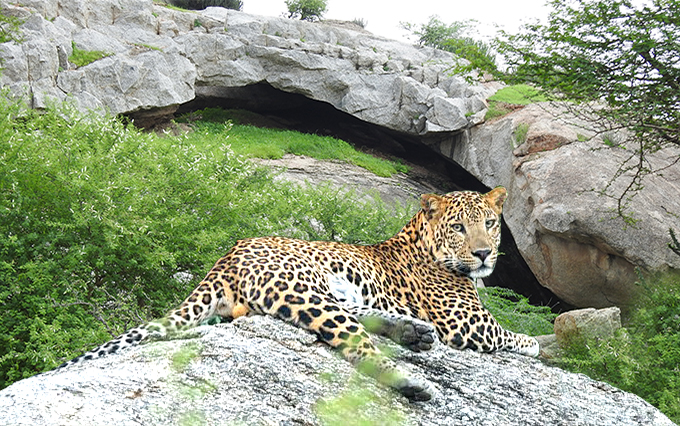
Different seasons don’t just change your safari odds, they change what you’re actually shooting or watching for.
Winter (Oct–Feb): The strongest season across the board. Golden, low-angle light through most of the safari window (not just the first and last ten minutes), leopards active for longer stretches, and the dam at its most crowded with migratory birds like flamingos, cranes, pelicans and waterfowl arriving in genuine numbers. If you’re building a trip specifically around a camera, this is the season that rewards patience with variety: cats on granite, birds on water, and clean light for both.
Summer (Mar–Jun): A narrower but distinctive photography window. The bare granite under harsh light produces stark, high-contrast images very early and very late in the day, less classically pretty, more dramatic. Birdlife thins out considerably since the migratory species have left, so this season leans almost entirely toward leopard and landscape photography rather than birding.
Monsoon (Jul–Sep): The overlooked season, and arguably the most visually different. Green hills, a full dam, dramatic cloud cover, genuinely striking for landscape photography, even if leopard sightings are the least predictable of the year. Birdwatching shifts to resident species rather than migratory spectacle. Worth considering if your priority is scenery over safari certainty.
| Best for photography | Best for wildlife | Best for birding | |
|---|---|---|---|
| Winter | Leopards + birds + light, all at once | Highest overall activity | Peak migratory season |
| Summer | Stark, high-contrast rock scenes | Leopards on open rock, narrow window | Minimal |
| Monsoon | Green landscapes, dramatic skies | Least predictable | Resident species only |
What to Pack for Jawai (Season-wise Checklist)
Winter (Oct–Feb)
- Warm jacket or fleece for pre-dawn safari starts
- Layers you can shed as the day warms up
- Sunscreen, the sun is still strong by mid-morning despite the cool air
- Binoculars (essential this season, for both leopards and birds)
- A camera with a reasonable zoom, plus spare batteries, cold mornings drain them faster
Summer (Mar–Jun)
- Light, breathable, full-coverage clothing rather than minimal layers, sun protection matters more than staying cool
- A wide-brimmed hat and strong sunscreen
- More water than you think you’ll need
- Sunglasses for the harsh midday glare
- A light layer for the still-cool very-early mornings
Monsoon (Jul–Sep)
- A light rain jacket or poncho
- Quick-dry clothing
- Closed, grippy footwear, granite gets slick when wet
- A dry bag or cover for camera equipment
- Insect repellent, since humidity brings out more insects than the dry months
Year-round essentials: neutral-toned clothing for safaris, a basic first-aid kit, and any personal medication, Jawai is a fair distance from major hospitals.
When Should You Actually Book?
For leopards and birds together, October to February remains the clear recommendation. Summer rewards travellers who don’t mind an early start and want a starker, quieter Jawai. Monsoon is for couples, who just want to feel the breeze while sitting on hills for long hours and anyone who’d rather trade the safari for green hills, a full dam, and unhurried time with the Rabari.
Whichever season you choose, the Luxury Tents at Thour Nature Resorts Jawai sit close enough to the hills that the landscape stays part of the experience even after the safari ends, you’ll hear it before you see it, in the alarm call of a langur somewhere out on the rock, which in leopard country tells you almost as much as a sighting would.
Where to Stay in Jawai: Choosing the Right Resort

Where you stay in Jawai matters more than it would in a city break, mostly because your safari mornings start before sunrise. The closer and better-connected your stay is to the hills, the less of that precious dawn window gets eaten up by transit.
Luxury tented camps and climate comfort. Jawai’s tented-camp model exists for a reason: canvas and open-sided design keep you genuinely connected to the sound and rhythm of the landscape, you’ll hear it before you see it while still delivering real comfort once you’re inside. A well-built luxury tent handles both ends of Jawai’s climate swing, keeping interiors comfortable whether you’ve just come in from a chilly winter dawn or a punishing summer afternoon. It’s worth asking any resort directly about their climate control and insulation specifics before booking, since this varies by property.
Direct safari access and local expertise. The single biggest factor separating an average Jawai stay from a memorable one is guide quality, not the property’s décor.
Resorts like Thour Nature Resorts Jawai, a Jawai resort based right in the Jawai landscape, offer the advantage of guides who track individual leopards’ territories and daily patterns across seasons, which matters enormously given everything this guide has covered about how much leopard behavior shifts between winter, summer, and monsoon. Staying close to the hills also means safari transit time is minimal, which counts for a lot when your entire sighting window might only be an hour or two of good light.
When comparing resorts, it’s worth asking directly about: proximity to the safari zones, guide experience and vehicle availability, and how each property adjusts its safari timings across seasons. Since, as covered above, a resort that runs the same fixed safari slots year-round isn’t accounting for how differently Jawai behaves in June versus January.
FAQs
What is the best month to visit Jawai Bandh?
October to March offer the strongest combination of cool weather, active leopards, and peak migratory birdlife.
Can you see leopards in summer at Jawai?
Yes, the open granite terrain can make them quite visible in the cooler hours, though the active window is shorter than in winter.
Is monsoon a good time for a Jawai safari?
Monsoon suits a slower, scenery-and-culture visit better than a leopard-focused trip, since safari access is often limited during this season.
Is morning or evening safari better for leopard sightings?
Both offer genuine chances, mornings tend to be cooler and quieter, evenings bring golden light and more purposeful cat movement. Many visitors do both.
Practical Recommendation
If you take one thing away from all of this, let it be this: October to March is the season to build your Jawai trip around, and everything else in this guide is really just detail supporting that one call. Cooler weather keeps leopards active longer, safari operators run full schedules, migratory birds are at the dam in real numbers, and the light does most of the work for your photos without you trying. If your dates are flexible at all, this is where they should land and within that window, December and January edge out as the sharpest choice for both wildlife activity and birding.
That said, this guide exists because “just go in winter” isn’t the whole answer for everyone, so here’s the practical breakdown by what you’re actually optimizing for:
- Chasing leopards and birds together, want the easiest odds: October–March, no real debate here.
- Want fewer crowds and don’t mind an early alarm and a hot midday indoors: Summer (April–Jun) works, especially if you’re drawn to the stark, high-contrast look of leopards on bare granite.
- More interested in scenery, culture, and a slower pace than a safari checklist: Monsoon (Jul–Sep), go in with the right expectations and you’ll come away with a side of Jawai most visitors never see.
- First-time visitor, only one shot at this trip: Winter, without hesitation. Save summer or monsoon for a return visit once you know the landscape.
Whichever window you choose, two things matter more than the calendar: booking a resort that adjusts its safari timings to the season rather than running the same fixed slots year-round, and going in with realistic expectations, these are wild leopards on their own schedule, not a guaranteed show. Get those two things right, and Jawai delivers in every season; it just delivers differently, and now you know exactly how.
At Thour Nature Resorts Jawai, safari timings and guide recommendations are shaped around exactly this seasonal shift, so whatever window you book, you’re stepping into the version of Jawai that season does best.
Pick Your Season, We’ll Plan the Safari
Winter leopards, summer rock scenes or monsoon greenery, tell us when you’re coming. Plan your stay at Thour Nature Resorts Jawai and our local team will help with safari timings, stay options and your arrival plans.
Local guidance. Season-smart safari timings. Genuine Jawai experience. Leopard sightings are never guaranteed because they are wild animals, but our local trackers know how Jawai’s leopards move through every season.