 +91-9784559999
 info@thournatureresorts.com
Quick Summary
- Best time: October to March.
- Safari: Open gypsy jeep safaris in the granite hills.
- Wildlife: Leopards, striped hyenas, jackals, jungle cats and birds.
- Other attractions: Jawai Dam, migratory birds, crocodiles and local culture.
- Where to stay: Thour Nature Resorts Jawai.
- Important: Leopard sightings are never guaranteed.
In This Guide
01 Why Jawai Is Different from Every Other Safari 02 Best Months for a Jawai Leopard Safari 03 Jawai Safari Timings 04 What Leopards Do in Jawai 05 Jeep Safaris, Local Guides and Drivers 06 Jawai Dam in Winter 07 Other Wildlife You Can See 08 The Weather and the Mood of Jawai in Winter 09 The Rabari and the Leopard 10 Nearby Attractions Worth Adding 11 Where to Stay in Jawai Bandh 12 Practical Safari Tips 13 Frequently Asked Questions 14 Plan Your Jawai Leopard Safari
The short answer: The best time to visit Jawai for a leopard safari is October to March. The weather is cool and comfortable, the hills are open to the sun, and migratory birds fill Jawai Dam. Leopards live in these hills all year, so sightings are possible in any month, but the cooler season is when most visitors have the best experience. Safaris run in jeeps, mostly in the early morning and late afternoon, and no sighting is ever guaranteed.
Why Jawai Is Different from Every Other Safari
Most safaris in India take you through dense forest, where animals can disappear a few metres from the track. Jawai is the opposite. The landscape is bare, weathered granite on the edge of the Aravalli range, one of the oldest mountain ranges in the world. There are huge boulders, caves, rocky ridges and open plains, and almost no cover.
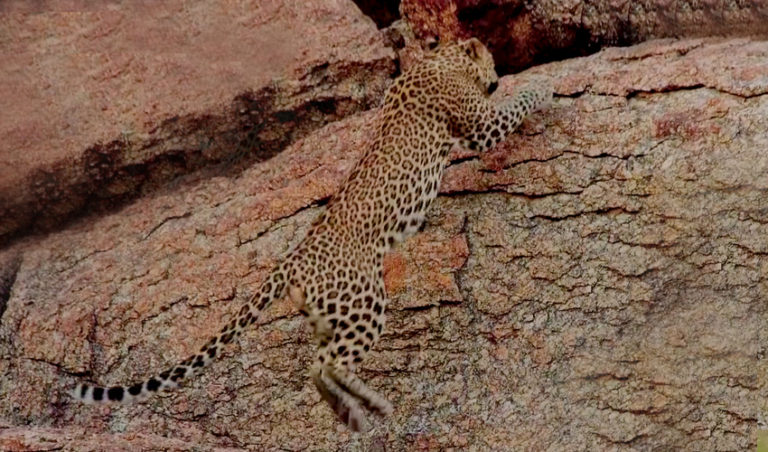
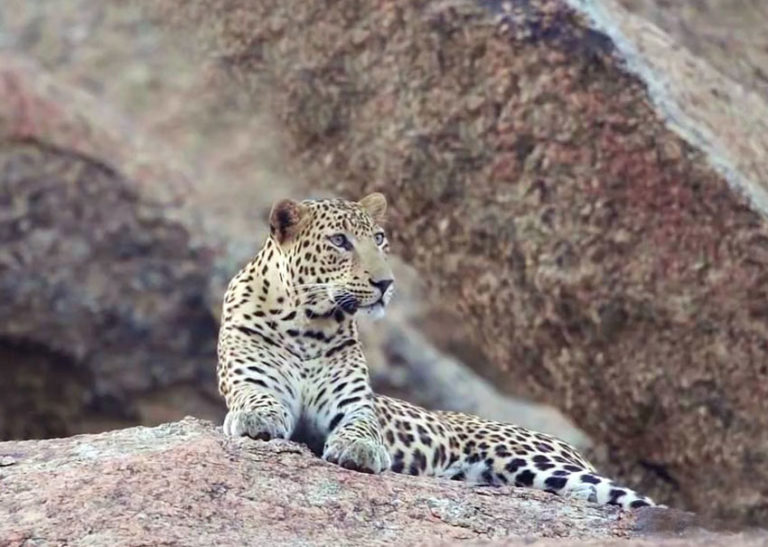
That is exactly why the leopards here are so often visible. They are cave and crevice dwellers, not jungle cats, so they rest in shaded rock hollows and move out along the ledges. There are no fences and no formal park boundary, only a shared landscape of hills, grazing land, water and villages. Jawai is not an officially notified national park or reserve, so the experience feels less like a managed park visit and more like entering the cats’ own territory.
For more information about the region, explore our Jawai Bandh travel guide.
Best Months for a Jawai Leopard Safari
| Season | Months | What to Expect |
|---|---|---|
| Peak season (best) | October to March | Pleasant days, cold mornings and nights, bright light on the rocks, migratory birds at the dam |
| Hot season | April to June | Very hot days. Safaris are possible but demanding, and early starts matter |
| Monsoon | July to September | Rain refreshes the land and the dam. Conditions vary, so check before you travel |
October to March: Why It Is the Best Window
Leopards are most active when the light is soft, and winter stretches that comfortable window. On cool mornings the rocks warm slowly, and cats are often seen stretched out on boulders or moving along ridgelines. The air is clean, the hills glow gold at sunrise and sunset, and the days are comfortable enough to spend hours outside. Winter is also when migratory birds arrive at the dam, which adds a second reason to visit.
Read more about the best time to visit Jawai Bandh.
April to June: Possible, but Intense
Summers in this part of Rajasthan are extremely hot. Leopards still live here, but they spend the heat of the day in caves and shade, so the best chances are in the first and last light. If you travel in summer, plan around the cool hours and rest through the middle of the day.
July to September: The Green Side of Jawai
The monsoon changes the mood of the landscape, and the dam and surrounding land look very different from the dry months. Wildlife is still present, but the experience varies with the weather, so ask about conditions at the time of booking.
Jawai Safari Timings
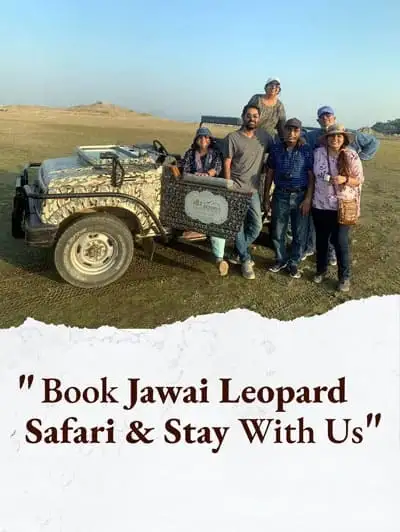
Safaris run in open gypsies through the granite hills close, unobstructed views that a fenced park can’t match.
| Season | Morning | Evening |
|---|---|---|
| Summer | 5:00 AM – 8:00 AM | 4:00 PM – 7:00 PM |
| Winter | 6:00 AM – 9:00 AM | 3:30 PM – 6:30 PM |
Timings are set seasonally and can shift; confirm current slots when booking.
Beyond leopards, the dam and surrounding scrub support striped hyenas, jackals, jungle cats, nilgai, mugger crocodiles, and monitor lizards. Book a general wildlife safari separately if you want that fuller picture.
What Leopards Do in Jawai
Spending an hour on these hills teaches you how leopards use the land:
- They rest in caves and rock hollows during the heat of the day.
- They use boulders as lookout posts, and from there they can watch the plains below.
- They move at dawn and dusk, along familiar ledges and routes.
- They are patient. A slow stretch, a long look around and a quiet walk are typical.
Leopards are wild predators, never tame, and the local coexistence rests on tolerance and distance. Guests stay in the vehicle, keep voices low and follow the guide’s instructions.
Jeep Safaris, Local Guides and Drivers
A leopard on a granite slope can be invisible to untrained eyes. Local guides and drivers who know these hills read the signs: a langur’s alarm call, a sudden quiet, a fresh track, a favourite ledge. They know which ridges catch the first light and which caves the leopards return to, and they position the jeep quietly. A good guide also tells you what you are looking at, from the animal’s behaviour to the history of the hills, so the safari is more than a sighting.
Explore our Jawai Bandh safari guide for more information.
Jawai Dam in Winter: Birds, Crocodiles and Quiet Water
Jawai Dam (Jawai Bandh) is one of the largest dams in western Rajasthan, and it anchors the ecosystem around it. In winter, migratory birds, including cranes, pelicans and other waterfowl, arrive on the water. The dam is also home to mugger (marsh) crocodiles, so keep to a safe distance from the water’s edge. The still surface mirrors the sky and the granite, which makes it one of the most photogenic spots in the region. For photographers, sunrise and the last hour before sunset give the best light.
Discover more in our birdwatching guide to Jawai Bandh.
Other Wildlife You Can See
Jawai is not only about leopards. The area also has striped hyenas, jackals and jungle cats, and monitor lizards are common in the rocky terrain. Langurs and a rich birdlife complete the picture. Sightings vary with season and luck, so treat every animal as a bonus.
Learn about the different animals found in Jawai Rajasthan.
The Weather and the Mood of Jawai in Winter
Winter is when Jawai feels most welcoming. Mornings are cold and clean, and a hot cup of tea in the open air feels like a reward. Midday is warm without being harsh, and evenings cool quickly, which makes a bonfire a natural way to end the day. The hills are peaceful, with long views, wide skies and very little noise.
For more travel ideas, read our guide to winter vacations in Jawai.
The Rabari and the Leopard
The Rabari are a semi-nomadic pastoral community who have herded goats, sheep and camels across Rajasthan and Gujarat for generations. Around Jawai, many Rabari revere the leopard as a protector figure linked to Shiva. Livestock losses do happen, but the community generally tolerates them and does not retaliate. This living culture, with its own economy and faith, is a major reason leopards survive so close to people here. If you meet Rabari families on the road, treat them as neighbours and not as photo subjects, and ask before taking pictures.
Nearby Attractions Worth Adding
If you have a few spare hours, two places are close to Jawai:
- Kambeshwar Mahadev Temple: about 11 km from Jawai, in the Sheoganj area of Sumerpur Tehsil. Its elevated, hill-carved setting is memorable, and an annual fair is held in November.
- Shree Abhinav Mahavir Dham: a Jain shrine in Sumerpur, about 8 km from Jawai Bandh and reachable via NH14, known for its architecture.
Dress modestly at religious sites and ask before photographing inside.
Where to Stay: A Resort in Jawai Bandh Close to the Leopard Hills
A great safari begins long before the jeep starts. It begins with where you sleep. Thour Nature Resorts Jawai, a resort in Jawai Bandh, puts you in the middle of the granite hills, so a cold morning, a first-light safari and a quiet evening by the rocks are all within easy reach.
Choose the stay that suits your journey:
- Luxury Tents: for couples and adventurers who want the feel of the wild with real comfort.
- Cottages: for families and friends who want space and privacy.
- Spacious Cottages: for larger groups and longer holidays, with room to spread out and slow down.
Between safaris, the days belong to you. Play outdoor games on the open grounds, watch the light change on the hills, or sit quietly with a cup of tea while the landscape does the talking. Evenings bring warm Rajasthani meals and the kind of silence cities rarely offer.
Whether you travel as a couple, a family, a group of friends or alone, this resort in Jawai Bandh lets you set the pace, from sunrise safari to starlit night.
Practical Tips for Your Jawai Safari
- Book early for October to March, especially around holidays and weekends.
- Pack in layers, with a warm jacket and cap for winter mornings.
- Bring binoculars and a camera with a zoom lens for birds and distant ledges.
- Wear muted colours and keep noise low.
- Respect wildlife, and never leave the vehicle or approach an animal.
- Respect local culture, and ask before photographing people.
Before your trip, read our Jawai safari dos and don’ts.
Frequently Asked Questions
What is the best time to visit Jawai for a leopard safari?
October to March is the best time. The weather is cool, the light is good, and migratory birds visit the dam.
Can I see leopards in Jawai all year?
Leopards live in Jawai all year, so sightings are possible in any month. The cooler season is the most comfortable and the most popular, but no sighting is ever guaranteed.
What time are Jawai safaris?
Safaris are jeep-based and run in the early morning and late afternoon, when leopards are most active. Exact timings change with the season and are confirmed at booking.
What is the weather like in Jawai in winter?
Winter days are pleasant and mornings and nights are cold. Bring warm layers, especially for early safaris in an open jeep.
Is Jawai a national park?
No. Jawai is not a notified national park or wildlife sanctuary. It is a landscape where leopards, livestock and people share open hills and plains.
Which birds can I see at Jawai Dam in winter?
Migratory birds such as cranes, pelicans and other waterfowl visit the dam in winter. Sightings depend on the season and conditions.
Is Jawai good for families, couples and solo travellers?
Yes. Couples enjoy the quiet scenery, families enjoy the open space and the safari, and solo travellers enjoy the photography and calm.
What else is there to see near Jawai?
Nearby you can visit Kambeshwar Mahadev Temple and Shree Abhinav Mahavir Dham in the Sumerpur area.
Where should I stay in Jawai?
Thour Nature Resorts Jawai is a resort in Jawai Bandh offering Luxury Tents, Cottages and Spacious Cottages close to the hills.
Plan Your Jawai Leopard Safari
Cool air, golden granite, a dam full of birds and a leopard on a ridge: that is Jawai at its best. Book your stay at Thour Nature Resorts Jawai and plan your safari for October to March.
Explore the Wild Side of Rajasthan
Plan Your Jawai Leopard Safari
Stay at Thour Nature Resorts Jawai and discover the granite hills, wildlife and peaceful surroundings of Jawai.