 +91-9784559999
 info@thournatureresorts.com
Quick Summary
- What: Wildlife havens across India are offering increasingly rewarding leopard sightings.
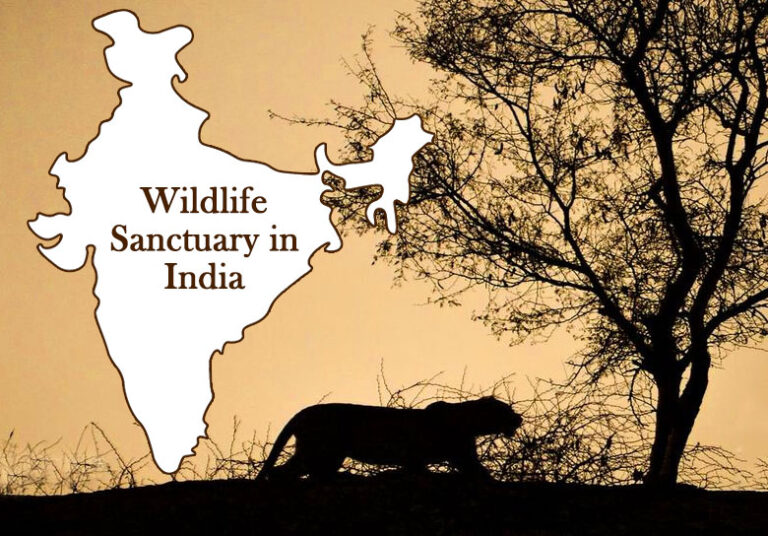
- Top destinations: Jawai, Jhalana, Bera, Kumbhalgarh, Sariska, Kabini and Satpura.
- Why Jawai: Open granite hills, cave-dwelling leopards, and a unique relationship between leopards and the Rabari community.
- Best time: October to March for comfortable safari conditions and migratory birds. April to June is hotter but can bring leopards closer to water.
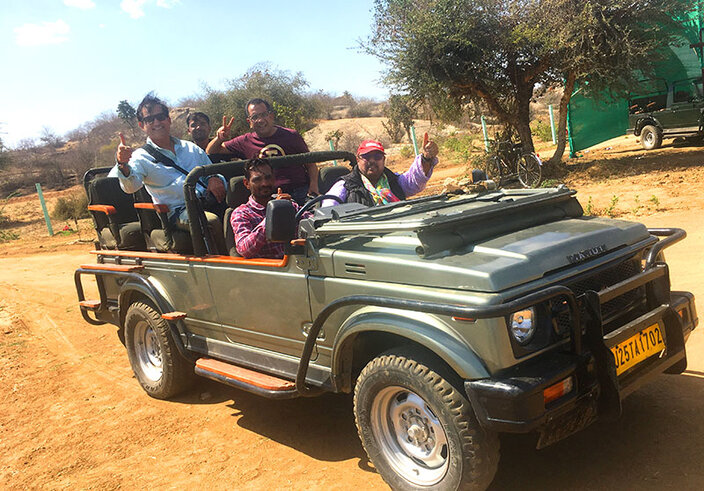
- Safari: Open gypsies through the granite hills, with morning and evening slots based on leopard movements.
- Where to stay: Thour Nature Resorts, within the reserve area and close to safari zones.
Wildlife Havens Are Offering Incredible Leopard Sightings
Ten years ago, a leopard sighting in India meant hours in a jeep, a lot of patience, and usually a story about “the one that got away.” That’s changed. A handful of landscapes across the country have turned leopard-watching from a long shot into something close to a reliable experience and the leopard has quietly become one of India’s most sought-after safari sightings, sometimes ahead of the tiger.
Here’s where that’s happening, what makes each place different, and why one landscape in particular Jawai, in Rajasthan has become the benchmark the others get compared to.
Why Leopards Are Having a Moment in Indian Wildlife Tourism
Leopards are harder to see than tigers almost everywhere they’re found; they’re smaller, more solitary, and built for concealment rather than open ground. That’s exactly what makes the handful of places where they are reliably visible so remarkable. A few landscapes in India happen to combine the right terrain, prey base, and low human-leopard conflict to make sightings genuinely likely rather than lucky. Here are the ones worth knowing.
India’s Leading Leopard-Watching Destinations
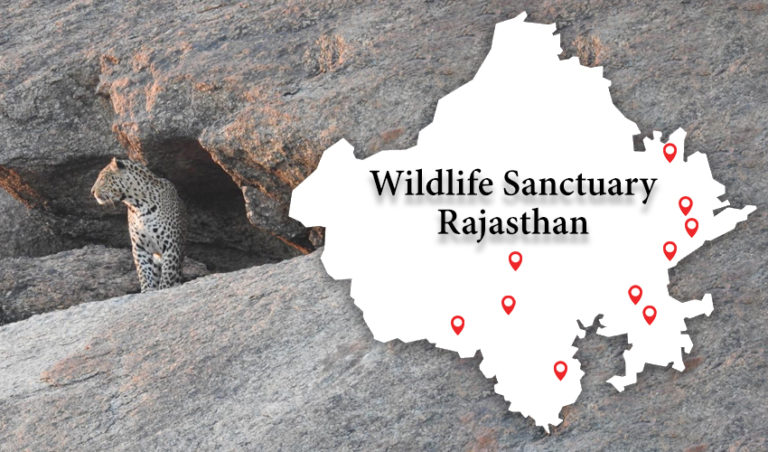
Jhalana Leopard Reserve, Jaipur
A dry scrubland reserve inside Jaipur’s city limits, Jhalana has become known for consistent sightings on short, affordable safaris, a strong option if you’re short on time or based in Jaipur and want a dedicated leopard-focused drive rather than a multi-day trip.
Bera, Rajasthan
Often described as Jawai’s twin, Bera sits a short distance away in the same Aravalli hill belt, with community-led safaris on private land run by local families rather than a formal park structure.
Kumbhalgarh Wildlife Sanctuary, Rajasthan
Better known for its fort, Kumbhalgarh’s forested Aravalli terrain also holds a healthy leopard population, with a more classically “jungle” safari feel than the open granite of Jawai or Bera.
Sariska Tiger Reserve, Rajasthan
Primarily a tiger destination, but leopards are part of its ecosystem too, particularly in the buffer zones worth knowing about if you’re combining a Rajasthan tiger trip with leopard interest.
Kabini (Nagarhole), Karnataka
A denser, more classically forested habitat than Rajasthan’s open hills, Kabini offers leopards alongside tigers and elephants; a fuller wildlife experience, though sightings here take more patience given the tree cover.
Satpura, Madhya Pradesh
Quieter and less crowded than most tiger-focused parks, Satpura’s rugged central-Indian terrain supports walking safaris and canoeing alongside jeep drives, appealing to travelers who want immersion over guaranteed sightings.
Each of these is genuinely worth a trip. But if the goal is simply the best odds of an unforgettable leopard sighting, built around a landscape and a culture found nowhere else, one destination consistently comes up first.
Jawai: The Landscape That Changed What a Leopard Safari Could Be
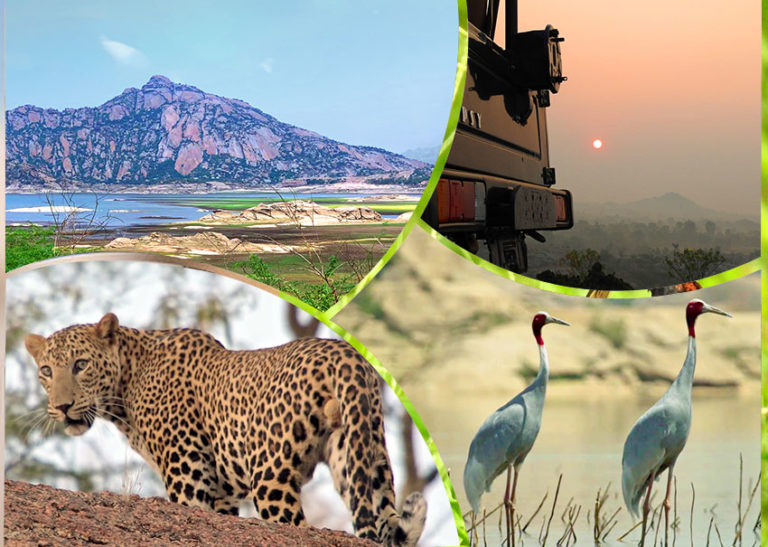
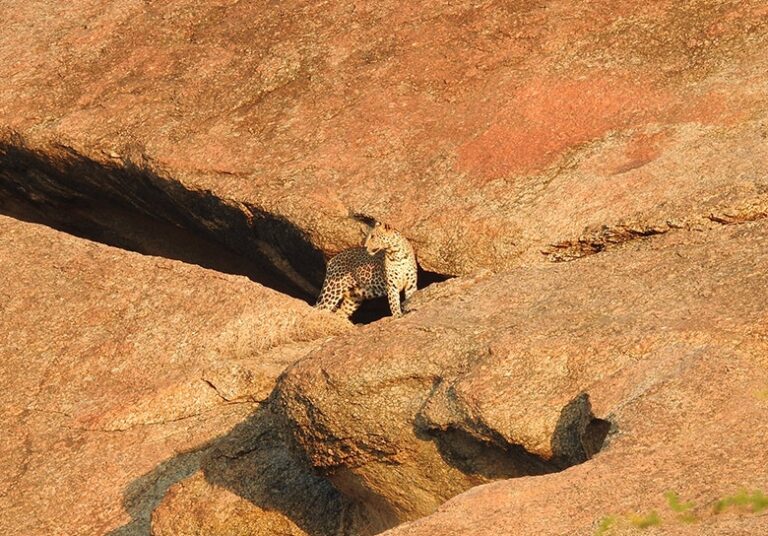
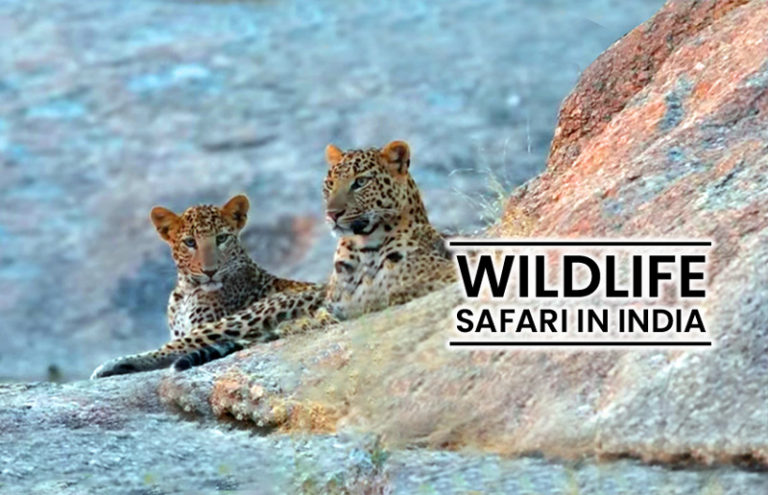
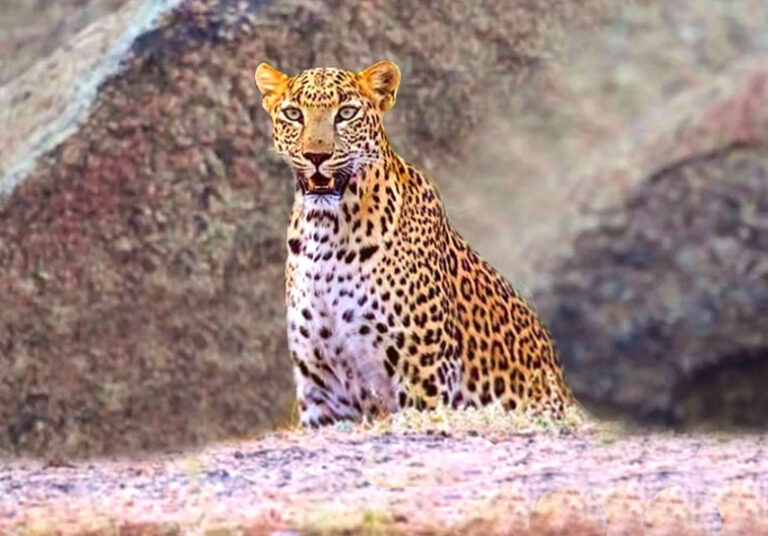
Jawai sits in Rajasthan’s Pali district, on the edge of the Aravalli Range among the oldest mountain systems on Earth. The terrain here doesn’t look like leopard country at first: bare granite hills, boulder fields, and scrub instead of dense forest. That’s exactly why the leopards are so visible. With no forest canopy to hide in, Jawai’s leopards den in caves cut into the granite and move across open rock at dawn and dusk, often in full view of the villages below.
Jawai Dam was built between 1946 and 1957 on the Jawai River, a tributary of the Luni that anchors the landscape and gives the region its name. The surrounding hills and cave systems were formally notified as the Jawai Bandh Leopard Conservation Reserve by the Rajasthan Forest Department in February 2010, specifically to protect the region’s cave-dwelling leopard population. That’s an important distinction: Jawai isn’t a fenced national park. It’s a conservation reserve, a lighter and more open designation, which is part of why safaris here can offer the close, unobstructed views that fenced parks can’t match.
A Genuinely Rare Density
Rajasthan Forest Department estimates put Jawai’s leopard population at roughly 50-70, one of the densest non-forest leopard concentrations found anywhere in the world. That density is the real reason sighting odds here run well above a typical national park safari. As with any wild animal, nothing is ever guaranteed but the odds at Jawai are about as good as they get in India.
The Rabari, and a Coexistence That’s Actually Rare
What makes Jawai different isn’t just the terrain, it’s who shares it. The Rabari, a semi-nomadic pastoral community who have herded goats, sheep, and camels across these hills for generations, live alongside the leopards as a matter of belief, not truce. Many Rabari are devotees of Shiva, traditionally depicted wearing a leopard skin, and regard the leopards as sacred, protective figures rather than a threat to be managed. Livestock loss to leopards does happen here, as it does anywhere leopards and herders share land, it’s simply tolerated rather than met with retaliation, which is what makes Jawai’s conflict rate so unusually low.
It’s worth being honest rather than absolute about this: leopards remain wild predators, and while incidents in Jawai are rare, they aren’t unheard of. The story here isn’t “leopards that never attack”, it’s a landscape where wild prey is abundant enough, and cultural tolerance strong enough, that people have rarely had reason to be seen as targets. Rabari herders, in turn, are often the sharpest trackers in the region, reading pug marks and alarm calls with a fluency built over a lifetime, part of why local guiding at Jawai tends to be genuinely excellent.
What a Jawai Safari Actually Feels Like
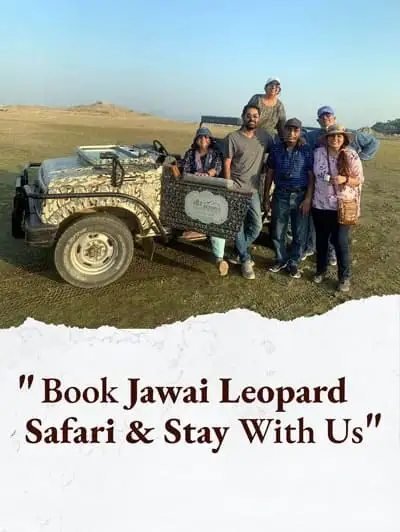
Safaris run in open gypsies through the granite hills, with nothing but rock and scrub between you and a leopard resting on a ledge. Morning and evening slots designed as per leopard movements, that shift by season roughly 6:00-9:00 AM and 3:30-6:30 PM in winter, and earlier/later in the summer heat. Beyond leopards, the reserve supports striped hyenas, jackals, jungle cats, nilgai, mugger crocodiles, and in winter especially strong migratory birdlife around the dam.
Best Safari Moments
Dawn • Dusk • Open Granite Hills • Leopard Movement
The best light, and often the best activity, comes at the edges of the day: leopards emerging from a cave at first light, or beginning to move as the heat breaks in the evening. That’s the real, reliable version of a Jawai safari, not a guaranteed hunt, but a genuine, close encounter with a wild population moving through open country almost nowhere else in the world.
Why Jawai Is Worth Building a Trip Around
01. Leopard Density
One of the densest leopard populations found outside a forest setting, backed by Forest Department estimates
02. Unique Landscape
A landscape unlike anywhere else in India, granite boulders, ancient caves, and Jawai Dam itself
03. Rabari Culture
A genuine cultural layer through the Rabari community’s generations-old relationship with these leopards
04. Birdwatching
Strong winter birdwatching alongside the leopard safari
05. Slow Travel
A trip that balances adventure with real downtime safaris, village visits, and evenings that don’t need to be rushed
Frequently Asked Questions
Which is the best place in India to see leopards?
Jawai, in Rajasthan’s Pali district, is widely considered India’s most reliable leopard destination, thanks to its open granite terrain and an estimated 50-70 leopards in and around the reserve. Jhalana (Jaipur) and Bera are strong alternatives for shorter or more rustic trips.
Is it safe to visit Jawai?
Jawai has an unusually low rate of human-leopard conflict, rooted in the Rabari community’s cultural tolerance and abundant wild prey. Incidents are rare but not impossible, so following your guide and the Forest Department’s safety rules matters here as it would anywhere leopards live.
What is the best time to visit Jawai for leopard sightings?
October to March offers the most comfortable safari conditions and strong migratory birdlife; April to June is hotter but often brings leopards closer to water sources, which can improve sighting odds.
How is Jawai different from a national park safari?
Jawai is a conservation reserve, not a fenced national park, this open designation allows for closer, less-restricted safari access than places like Ranthambore or Sariska.
Stay Where the Leopards Are
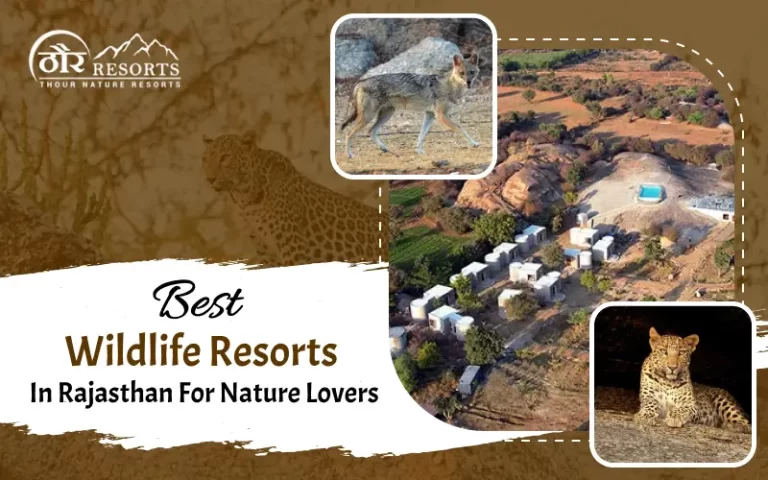
Because Jawai sits within the Aravalli hills rather than a town, stay options in the immediate area are limited and staying close matters here, since the best sightings happen at the edges of the day. Thour Nature Resorts is set within the reserve area itself, putting you close to the safari zones while still offering full resort comfort after a morning or evening drive.
Where You’ll Stay
Accommodation at Thour ranges from luxury tents to luxury cottages and spacious luxury cottages, each fitted with modern amenities for a comfortable stay after a morning or evening safari. The resort’s open rooftop dining looks out over the hills, and a hilltop swimming pool lets you unwind under open sky with granite ridgelines on the horizon. Beyond the leopards, this Jawai Resort is home to its own resident animals; ducks, cats, rabbits, and hens alongside a play area and an organic farm, making it a genuinely welcoming stop for families as much as wildlife enthusiasts. Every part of the stay is kept hygienic and spotless, backed by a well-trained, attentive staff.
Jawai Leopard Experience
Ready to see Jawai’s leopards for yourself?
Book your Leopard Safari or full-day Jungle Safari with Thour Nature Resorts and start planning your stay in India’s most rewarding leopard landscape.