 +91-9784559999
 info@thournatureresorts.com
Rajasthan Wildlife Sanctuaries: Quick Comparison
| Sanctuary | District | Area (sq km) | Best For | Best Time | Nearest Airport |
|---|---|---|---|---|---|
| Ranthambore National Park | Sawai Madhopur | 282 (core); 1,334 (full tiger reserve) | Tiger sightings | November-March | Jaipur (~160 km) |
| Sariska Tiger Reserve | Alwar | 881 core / 322 buffer | Tigers, Aravalli forest | November-March | Jaipur (~107 km from Sariska) |
| Keoladeo National Park | Bharatpur | 29 | Birdwatching (UNESCO site) | October-February | Agra (~55 km, limited flights) / Jaipur (~176 km) |
| Kumbhalgarh Wildlife Sanctuary | Rajsamand | 610.5 | Leopards, fort views | October-March | Udaipur (~85–108 km) |
| Darrah Wildlife Sanctuary | Kota, Jhalawar | 227.6 | General wildlife, birding | October-March | Jaipur (~275 km; no major airport at Kota) |
| Mount Abu Wildlife Sanctuary | Sirohi | 288 | High-altitude flora, leopard | Nov-Feb; Apr-Jun | Udaipur (~108 km) |
| Sita Mata Wildlife Sanctuary | Pratapgarh | 423 | Birdlife, prehistoric rock art | October-March | Udaipur (~108 km) |
| Kaila Devi Wildlife Sanctuary | Karauli | 676.4 | River views, tiger corridor | September-March | Jaipur (~160 km) |
| National Chambal Wildlife Sanctuary | Kota (tri-state) | ~5,400 | Gharial, river dolphin | September-June | Gwalior (~106-120 km) / Kota |
| Jaisamand Wildlife Sanctuary | Udaipur | ~52 | Lake, migratory birds | October-March | Udaipur (~50 km) |
Road distance can shift meaningfully depending on which town or gate is used as the endpoint.
When we think of Rajasthan, it evokes majestic forts, palaces, rich history, and vast desert landscapes. But that’s only half the picture. Rajasthan is also home to a remarkable range of protected wildlife areas, spanning the Aravalli hills, dry deciduous forests, wetlands, and river systems and together they’re helping the state build a genuine eco-tourism economy alongside its heritage tourism.
Wildlife enthusiasts visiting these reserves can spot endangered mammals, migratory birds, and reptiles found almost nowhere else in India in this kind of density. In this guide, we cover the state’s most rewarding wildlife sanctuaries with verified location, area, species, and access details for each.
How Many National Parks and Wildlife Sanctuaries Does Rajasthan Have?
Rajasthan’s most visited protected areas include the officially designated national parks of Ranthambore, Keoladeo, and Mukundara Hills, alongside major wildlife sanctuaries like Sariska, Desert National Park, and Kumbhalgarh. According to the official protected-area register published by the Rajasthan Forest Department, the state has:
National Parks
covering 510.31 sq km
Wildlife Sanctuaries
covering 9,565.11 sq km (9,234.26 sq km net of internal overlap)
sq km protected area
combined (9,744.57 sq km net of overlap), roughly 2.9% of the state’s geography
Separately, Rajasthan also has 5 Tiger Reserves as of 2026 (Ranthambore, Sariska, Mukundara Hills, Ramgarh Vishdhari, and the newly notified Dholpur-Karauli), a conservation designation that overlaps with the National Park/Sanctuary list above rather than adding to it, since a Tiger Reserve is drawn from existing protected areas plus buffer zones.
Rajasthan’s 3 Official National Parks
| # | National Park | District | Area (sq km) |
|---|---|---|---|
| 1 | Keoladeo National Park | Bharatpur | 28.73 |
| 2 | Ranthambore National Park | Sawai Madhopur | 282.03 |
| 3 | Mukundara Hills National Park | Kota, Chittorgarh | 199.55 |
| Total | 510.31 |
Rajasthan’s 26 Official Wildlife Sanctuaries
| # | Wildlife Sanctuary | District | Area (sq km) |
|---|---|---|---|
| 1 | Band Baretha WL Sanctuary | Bharatpur | 368.50 |
| 2 | Bassi WL Sanctuary | Chittorgarh | 138.69 |
| 3 | Bhensrodgarh WL Sanctuary | Chittorgarh | 201.40 |
| 4 | Darrah Sanctuary | Kota, Jhalawar | 227.63 |
| 5 | Desert National Park Sanctuary | Barmer, Jaisalmer | 3,162.00 |
| 6 | Phulwari ki Naal WL Sanctuary | Udaipur | 511.41 |
| 7 | Jaisamand WL Sanctuary | Udaipur | 52.34 |
| 8 | Jamwa Ramgarh WL Sanctuary | Jaipur | 300.00 |
| 9 | Jawahar Sagar WL Sanctuary | Kota, Bundi, Chittorgarh | 194.60 |
| 10 | Kailadevi WL Sanctuary | Karauli, Sawai Madhopur | 676.82 |
| 11 | Kesarbagh WL Sanctuary | Dholpur | 14.76 |
| 12 | Kumbhalgarh WL Sanctuary | Udaipur, Rajsamand, Pali | 610.53 |
| 13 | Mount Abu WL Sanctuary | Sirohi | 326.10 |
| 14 | Nahargarh WL Sanctuary | Jaipur | 52.40 |
| 15 | National Ghariyal Sanctuary | Kota, S. Madhopur, Bundi, Dholpur, Karauli | 564.03 |
| 16 | Ramgarh Vishdhari WL Sanctuary | Bundi | 303.05 |
| 17 | Ramsagar WL Sanctuary | Dholpur | 34.40 |
| 18 | Sajjangarh WL Sanctuary | Udaipur | 5.19 |
| 19 | Sariska WL Sanctuary | Alwar | 544.22 |
| 20 | Sawai Man Singh WL Sanctuary | Sawai Madhopur | 113.07 |
| 21 | Shergarh WL Sanctuary | Baran | 81.67 |
| 22 | Sita Mata WL Sanctuary | Chittorgarh, Udaipur | 422.94 |
| 23 | Tal Chappar WL Sanctuary | Churu | 7.19 |
| 24 | Todgarh Raoli WL Sanctuary | Ajmer, Pali, Rajsamand | 495.27 |
| 25 | Van Vihar WL Sanctuary | Dholpur | 25.60 |
| 26 | Sawai Madhopur Sanctuary | Sawai Madhopur | 131.30 |
Note: Jawai Bandh Leopard Conservation Reserve doesn’t appear in this table because Conservation Reserves are a separate, lighter protected-area category from National Parks and Wildlife Sanctuaries. Rajasthan has 40 Conservation Reserves in addition to the list above.
Source: Rajasthan Forest Department, “National Parks and Sanctuaries in Rajasthan,” APCCF & CWLW, Aranya Bhawan forest.rajasthan.gov.in, retrieved September 2026.
Top 10 Wildlife Sanctuaries in Rajasthan
1. Ranthambore National Park – Sawai Madhopur
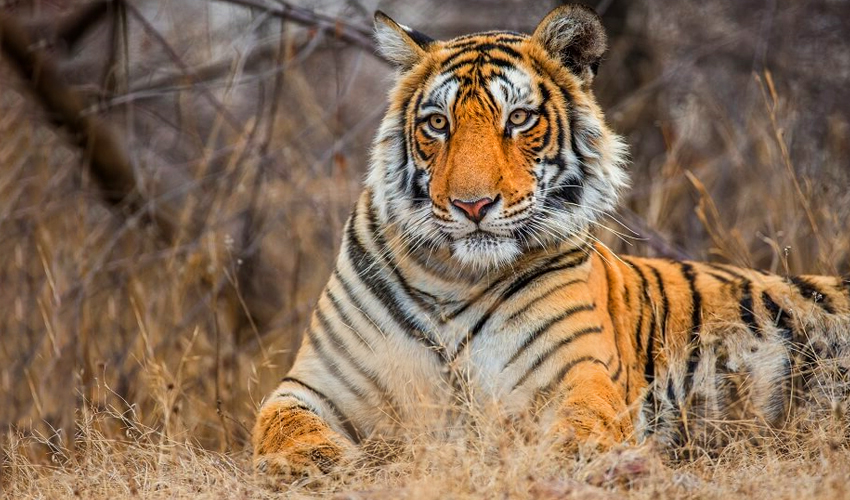
When you talk about wildlife in Rajasthan, Ranthambore is the first name that comes to mind. It’s one of India’s premier destinations for tiger sightings. The national park covers 282 sq km and forms the core of the much larger Ranthambore Tiger Reserve, which spans 1,334 sq km including the adjoining Kaila Devi and Sawai Man Singh sanctuaries.
Besides tigers, you can spot leopards, wild boar, mugger crocodile, rhesus macaque, gray langur, sloth bear, striped hyena, sambar, and a wide range of birdlife. Visitor numbers here climb every year, drawing nature lovers and wildlife photographers from across the globe.
Salient features:
- Rocky terrain with lakes, streams, and tropical dry deciduous forest
- Jaipur International Airport is the closest major airport, about 160 km away; well connected by road and rail to Agra (~239 km), Delhi (~381 km), Kota (~115 km), Udaipur (~388 km)
- Nearest railway station is Sawai Madhopur, about 10-11 km from the park
- Ranthambore Fort sits within the reserve, along the Aravalli-Vindhya hill junction
- Online safari booking available
Best time to visit: November to March
2. Sariska Tiger Reserve, Alwar
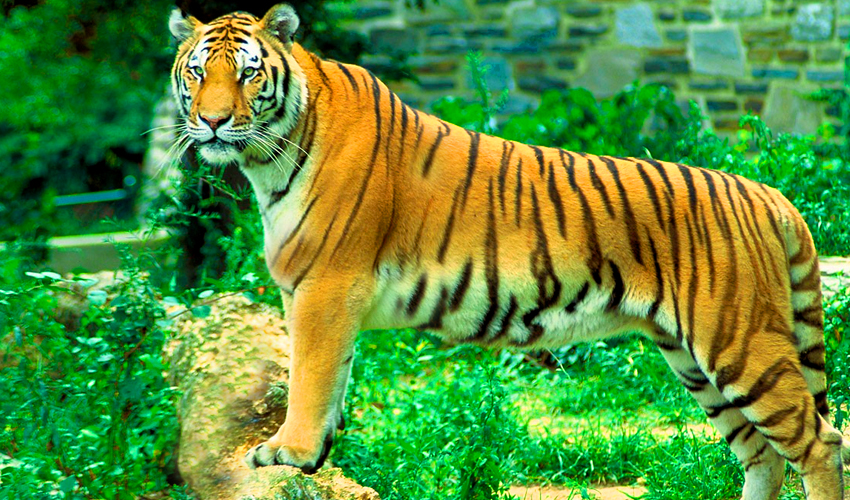
A tiger reserve within the Aravalli Range and the Kathiawar-Gir dry deciduous forests ecoregion, Sariska joined Project Tiger in 1978 and became a national park in 1990. The first reserve in India to successfully relocate and re-establish tigers after local extinction. The reserve currently comprises 881.11 sq km of core critical tiger habitat and 322.23 sq km of buffer zone (Rajasthan Forest Department / NTCA).
Note: as of 2026, a Rajasthan government proposal to redraw Sariska’s critical tiger habitat boundary is under Supreme Court review; these figures may shift.
Beyond the Bengal tiger, the reserve is home to honey badger, rhesus macaque, small Indian civet, wild boar, golden jackal, Javan mongoose, ruddy mongoose, caracal, jungle cat, Indian hare, and rich birdlife.
Salient features:
- Neelkanth Temple and Pandupol Hanumanji Temple sit inside the park
- Bijak ki Pahadi, Sariska Palace, and Kankwadi Fort are also within its bounds
- Connected by road to Alwar (~35 km), Jaipur (~107 km), Delhi (~200 km), Agra (~200 km)
- Water bodies, hills, and dense fauna diversity throughout
Best time to visit: November to March
3. Keoladeo National Park, Bharatpur
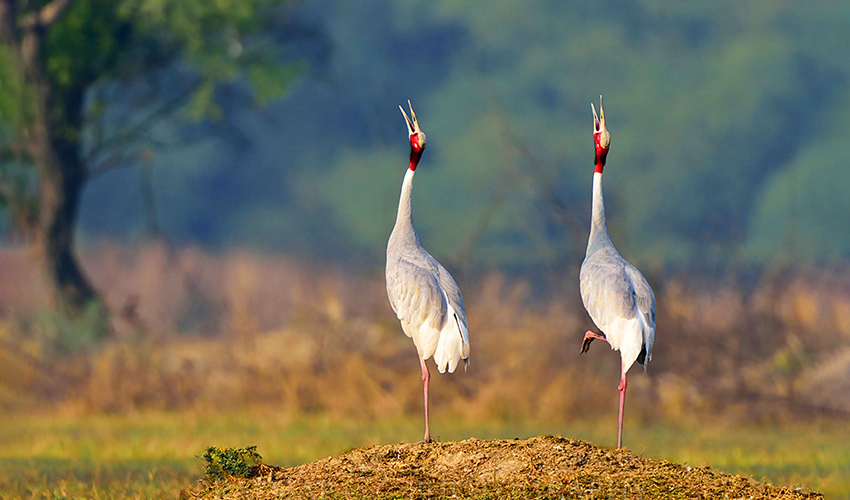
Also known as Keoladeo Ghana National Park or Bharatpur Bird Sanctuary, this is a major draw for ornithologists worldwide. It’s a UNESCO World Heritage Site and a man-made, man-managed wetland that was officially protected in 1971.
Beyond birds, the park is home to 7 species of turtles and amphibians, 5 species of lizards, 13 species of snakes, and 379 species of flowering plants (figures may fluctuate with ongoing surveys). Sir Peter Scott, founder of the World Wildlife Fund, considered Keoladeo one of the world’s best birdwatching destinations.
Salient features:
- UNESCO World Heritage Site and Ramsar Wetland
- A must for birdwatchers and nature lovers
- Just 2 km from Bharatpur city centre; connected to Agra (~55 km), Jaipur (~176 km), Delhi (~184 km)
- Good stay facilities nearby
- Boating available during the monsoon season
Best time to visit: October to February
4. Kumbhalgarh Wildlife Sanctuary, Kumbhalgarh
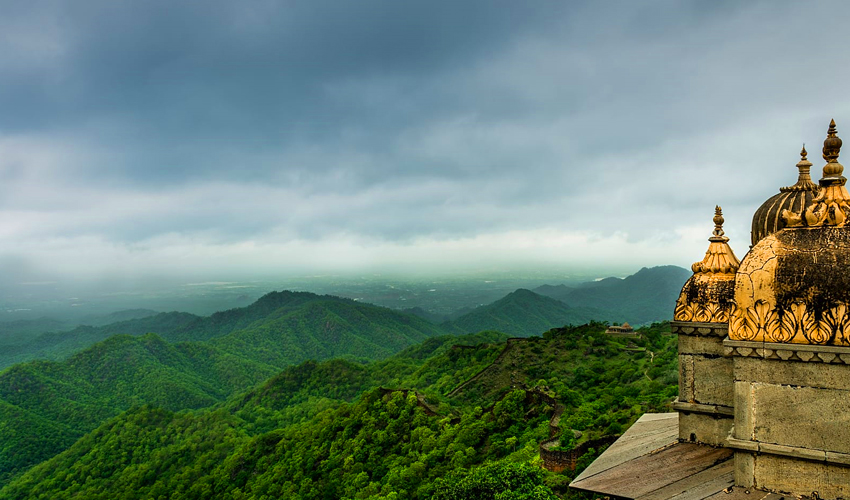
Located in Rajasthan’s Rajsamand district, Kumbhalgarh Wildlife Sanctuary covers 610.5 sq km and extends across the Aravalli Range, forming part of the Kathiawar-Gir dry deciduous forests ecoregion. It’s also one of the sites identified for potential Asiatic lion reintroduction and is already home to a diverse mix of species.
The terrain spans hills, plains, and piedmonts around the historic Kumbhalgarh Fort. Species here include leopard, chausingha, chinkara, sloth bear, golden jackal, red spurfowl, golden oriole, and white-breasted kingfisher.
Salient features:
- Safari available by jeep, horseback, or on foot
- Trekking trails including the Trithankar Natural Trail
- Kumbhalgarh Fort just 3 km away
- Strong chance of spotting Indian leopard
- About 85 km from Pali town and roughly 82-95 km northeast of Jawai
- Accessible by road/train from Udaipur (~85-98 km), Rajsamand (~45-48 km), Nathdwara (~51 km), Jodhpur (~170 km), Jaipur (~350–377 km), Ahmedabad (~340 km)
- Udaipur is the nearest airport
Best time to visit: October to March
5. Darrah Wildlife Sanctuary, Kota
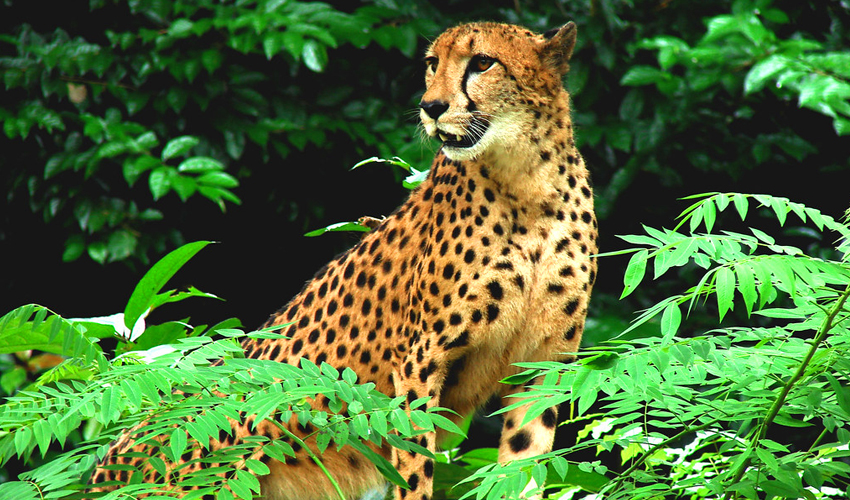
Part of the larger Darrah National Park grouping, which also includes Jawahar Sagar Wildlife Sanctuary and Chambal Wildlife Sanctuary, Darrah sits across the Kota and Jhalawar districts and falls within the Kathiawar-Gir dry deciduous forests ecoregion.
Like several other Rajasthan sanctuaries, Darrah was considered as a potential Asiatic lion reintroduction site. Spread over approximately 227.63 sq km, it supports nilgai, sloth bear, porcupine, jungle cat, Bengal fox, golden jackal, striped hyena, Indian leopard, pangolin, wild boar, caracal, spotted deer, and four-horned antelope.
Salient features:
- Jungle safari with a strong range of species
- Good birdwatching
- Trekking available
- Rich flora
- Connected to Kota (~50 km), Jaipur (~275 km), Udaipur (~300 km), Ajmer (~215 km)
Best time to visit: October to March
6. Mount Abu Wildlife Sanctuary, Mount Abu
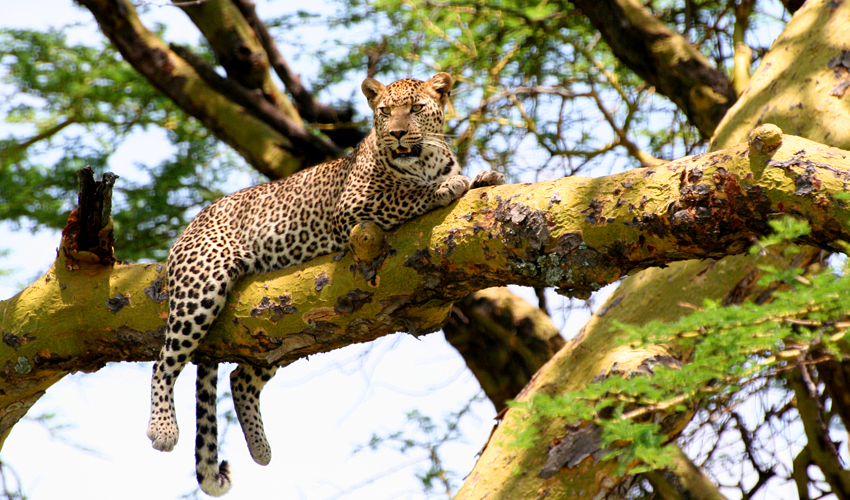
One of the few wildlife sanctuaries in the world set at high altitude, Mount Abu Wildlife Sanctuary spans 288 sq km. It spreads across a plateau reaching Guru Shikhar, at 1,722 m (5,650 ft), the highest point in the Aravalli Range and in Rajasthan.
Part of the Kathiawar-Gir dry deciduous forests ecoregion, the sanctuary hosts around 157 species of monocots and 663 species of dicots, alongside diverse fauna: Indian crested porcupine, Indian hedgehog, grey mongoose, pangolin, langur, fox, jackal, wolf, jungle cat, sambar, wild boar, and leopard.
Salient features:
- Rich flora and fauna diversity
- One of the oldest sanctuaries in the Aravalli Range, at high altitude
- Igneous rock formations with large weathered cavities
- Camping and trekking available
- Accessible via Abu Road railway station (~22 km) and Udaipur airport (~108 km)
- Connected to Udaipur (~163 km), Jodhpur (~270 km), Ahmedabad (~220 km), Jaipur (~475 km), Delhi (~500 km)
Best time to visit: November to February; April to June
7. Sita Mata Wildlife Sanctuary, Pratapgarh
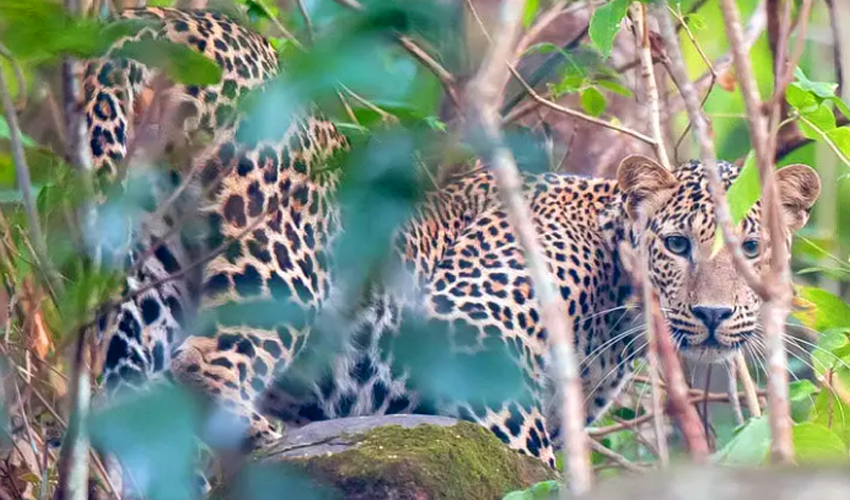
Covering 422.95 sq km, Sita Mata Wildlife Sanctuary spans three geographical zones; the Aravalli Range, the Vindhyachal Hills, and the Malwa Plateau. It became a protected area in 1979, between the Chittorgarh and Pratapgarh districts.
The sanctuary receives around 756 mm of annual rainfall and sits about 600 m above sea level. It’s known especially for birdlife, alongside a strong mammal population, and is part of the Asiatic Lion Reintroduction Project’s identified sites. It’s also home to Lakhiya Bhata, a site with prehistoric rock engravings.
Salient features:
- Valmiki Ashram and temples dedicated to Hanuman and Sita
- Prehistoric rock engravings at Lakhiya Bhata
- Strong birdlife
- Easily reached from Udaipur (~108 km), Ahmedabad (~283 km), Chittorgarh (~60 km), Jaipur (~380-415 km), Indore (~280 km), Delhi (~672 km)
Best time to visit: October to March
8. Kaila Devi Wildlife Sanctuary, Karauli
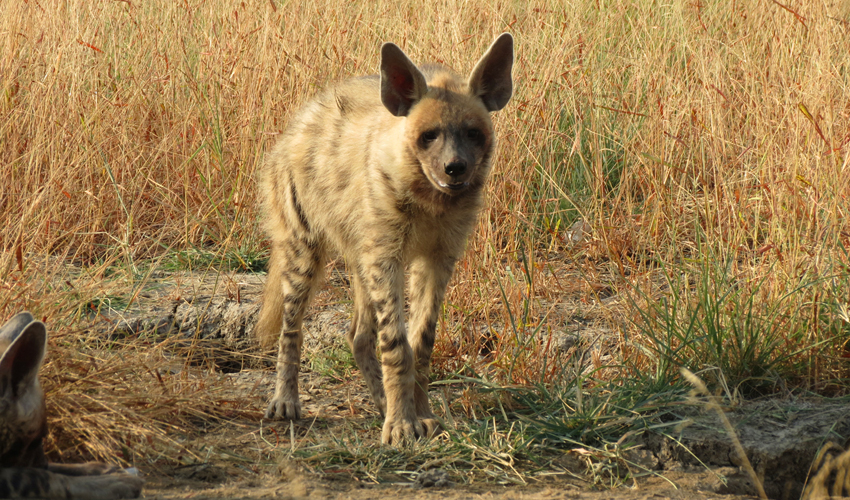
Spanning 676.38 sq km, Kaila Devi Wildlife Sanctuary forms part of the wider Ranthambore Tiger Reserve landscape and sits in Rajasthan’s Karauli district. The Banas River runs along its west and the Chambal along its south-east. It takes its name from the local Kailadevi temple.
Alongside strong birdlife, the sanctuary supports sambar, Indian wolf, sloth bear, striped hyena, leopard, occasional tiger movement from the connected Ranthambore landscape, wild boar, chinkara, and jackal. It became a sanctuary in 1983.
Salient features:
- Views over both the Chambal and Banas rivers
- Diverse flora and fauna habitat
- Jeep or canter safari available
- Connected to Karauli (~25 km), Jaipur (~160 km), Agra (~185 km), Delhi (~325 km), Bharatpur (~90 km)
Best time to visit: September to March
9. National Chambal Wildlife Sanctuary, Kota
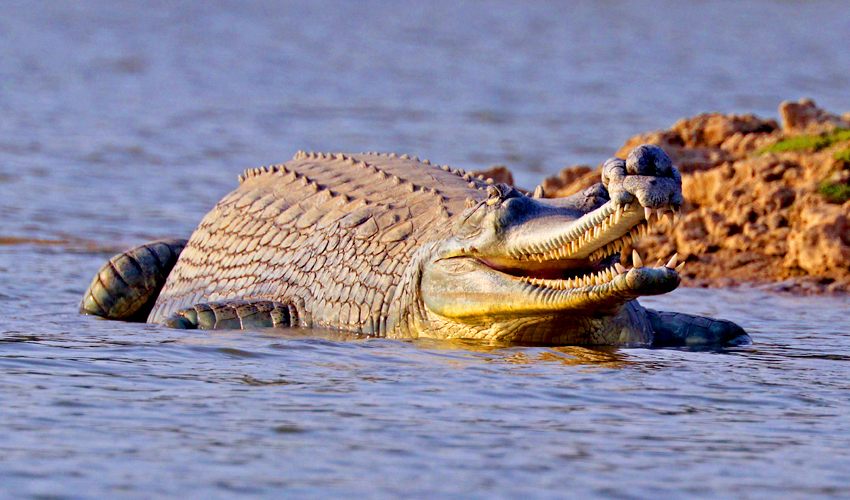
A tri-state protected area covering roughly 5,400 sq km, National Chambal Wildlife Sanctuary follows the Chambal River across Rajasthan, Madhya Pradesh, and Uttar Pradesh. It’s a critical habitat for the Ganges river dolphin, red-crowned roof turtle, and gharial.
Rajasthan and Uttar Pradesh declared their sections protected in 1979, and Madhya Pradesh in 1978, under the Wildlife Protection Act, 1972. Beyond its focus species, it supports most of the major mammal and bird species found across the wider Rajasthan-Madhya Pradesh region.
Salient features:
- Boating available from multiple entry points
- Chance to spot Gangetic dolphin, gharial, and river turtles
- Ater Fort (17th century) nearby
- Rich birdlife and mammal diversity
- Accessible from Agra (~70 km), Gwalior (~106-120 km), Jaipur (~260 km), Delhi (~320 km)
Best time to visit: September to June
10. Jaisamand Sanctuary, Udaipur
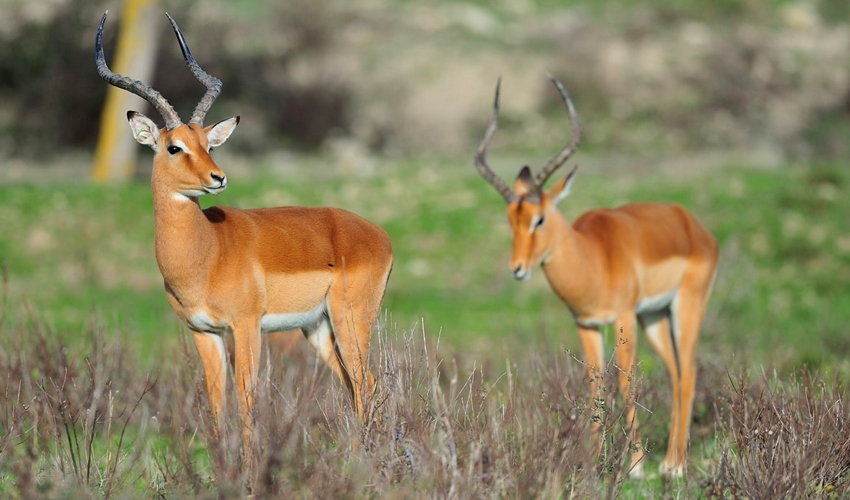
Also known as the sanctuary around Dhebar Lake (or Jaisamand Lake), this reserve takes its name from India’s second-largest artificial freshwater lake built in the 17th century by damming the Gomati River. The lake includes three islands, each between 10 and 40 acres.
The Jaisamand Wildlife Sanctuary itself covers approximately 52 sq km on the lake’s northern and eastern shores, and forms part of the Kathiawar-Gir dry deciduous forests ecoregion. It’s home to migratory birds, mongoose, four-horned antelope, deer, panther, and wild boar.
Salient features:
- India’s second-largest artificial freshwater lake
- Three islands within the lake
- Rich migratory birdlife
- About 50 km south of Udaipur
Best time to visit: October to March
Frequently Asked Questions
Which is the best wildlife sanctuary in Rajasthan for tiger sightings?
Ranthambore National Park, part of the wider 1,334 sq km Ranthambore Tiger Reserve, is Rajasthan’s premier tiger destination, alongside Sariska Tiger Reserve near Alwar.
Which Rajasthan sanctuary is best for leopard sightings?
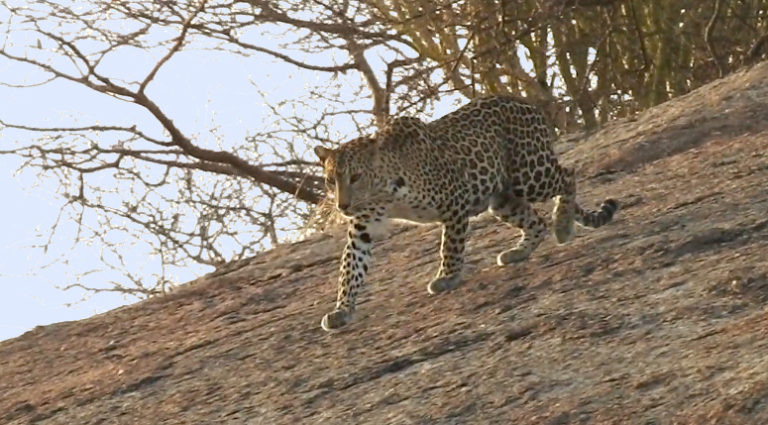
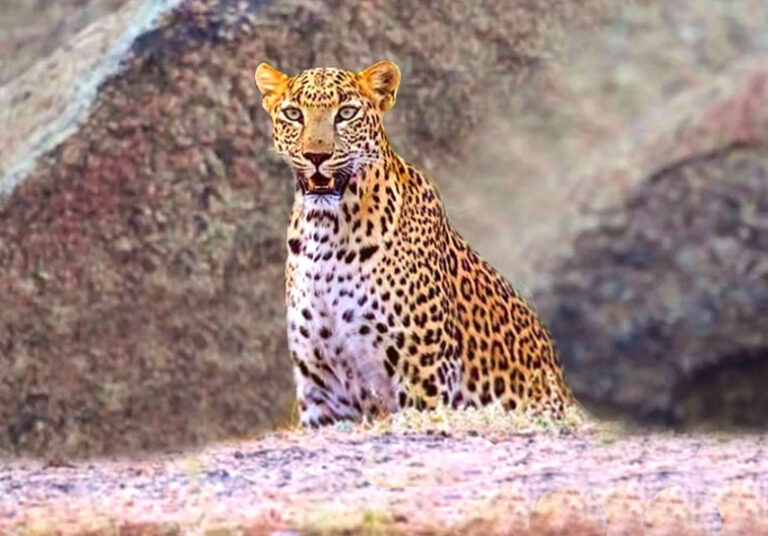
Jawai, in the Pali district, has one of the highest leopard densities of any non-forest landscape in India, but it is a conservation reserve not a sanctuary. Kumbhalgarh and Sariska also offer strong leopard-sighting odds.
Which Rajasthan sanctuary is best for birdwatching?
Keoladeo National Park (Bharatpur) is the state’s premier birdwatching destination and a UNESCO World Heritage Site; Jawai Dam and Jaisamand Lake are also strong choices, especially in winter for migratory species.
What is the best time to visit Rajasthan’s wildlife sanctuaries?
Most reserves are at their best from October to March, when temperatures are cooler and wildlife activity and migratory bird arrivals peak.
Final Words
Rajasthan’s wildlife is as varied as its forts and palaces from Ranthambore’s tigers to Kumbhalgarh’s sloth bears to Keoladeo’s world-famous birdlife. Pack your bags and give yourself time in these landscapes as well as the cities.
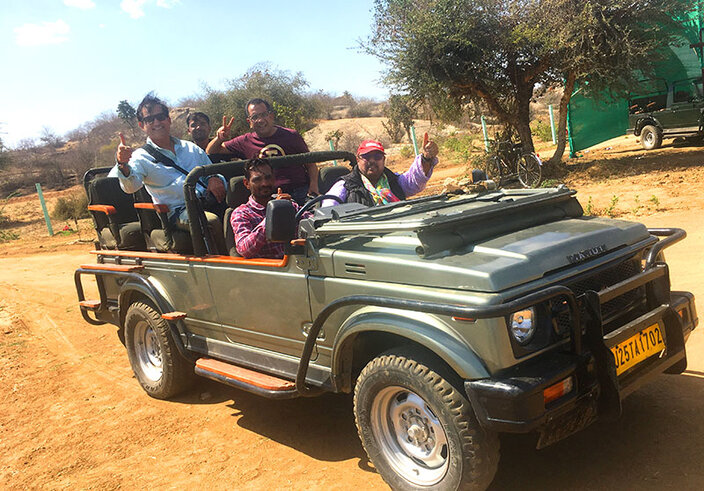
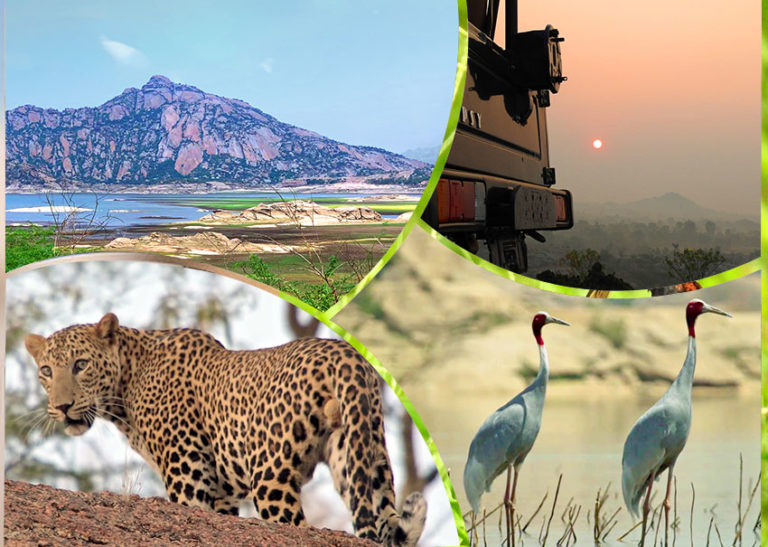
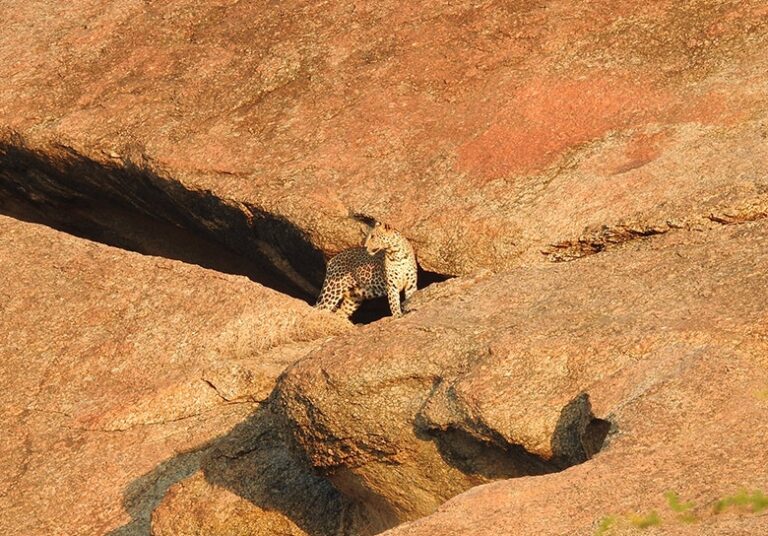
If leopards are what you’re after, Jawai is the one to prioritize. Travelers find it especially rewarding because sighting odds here run higher than almost anywhere else in the country, and because it comes with a story most reserves don’t have: Jawai leopards and the Rabari pastoral community sharing this landscape, largely without conflict, rooted in the Rabari’s own spiritual beliefs rather than in any lack of predation. The safari runs through the granite hills around Jawai Dam, the largest dam in western Rajasthan and what makes it distinctive isn’t that the leopards are tame, but that they move through open, unfenced terrain in close proximity to working villages, visible in a way fenced parks rarely allow.
Because Jawai sits within the Aravalli hills rather than a town, stay options are limited. Thour Nature Resorts is one of the better-placed properties in the area, offering luxury tent and cottage stays full of all modern amenities, close to the safari zones; also a pool on the top of hill shares majestic views and rejuvenates your soul under open sky. You can book a Leopard Safari or a full-day Jungle Safari directly through the resort. This Jawai resort is best in hospitality and makes your stay memorable.
Ready to plan your Jawai leopard safari?
Book your stay at Thour Nature Resorts and start planning your visit to Rajasthan’s leopard capital.